A gastronomic shoot you can use all year (not just one post)
A food shoot lasts you the whole year when every photograph is taken with a clear job in mind: your digital menu, your Google profile, your social calendar, and vertical ads. If a session only gives you enough for next Thursday’s post, the archive falls short.
Three layers in the same afternoon: the plated dish, hands at the pass, and the room
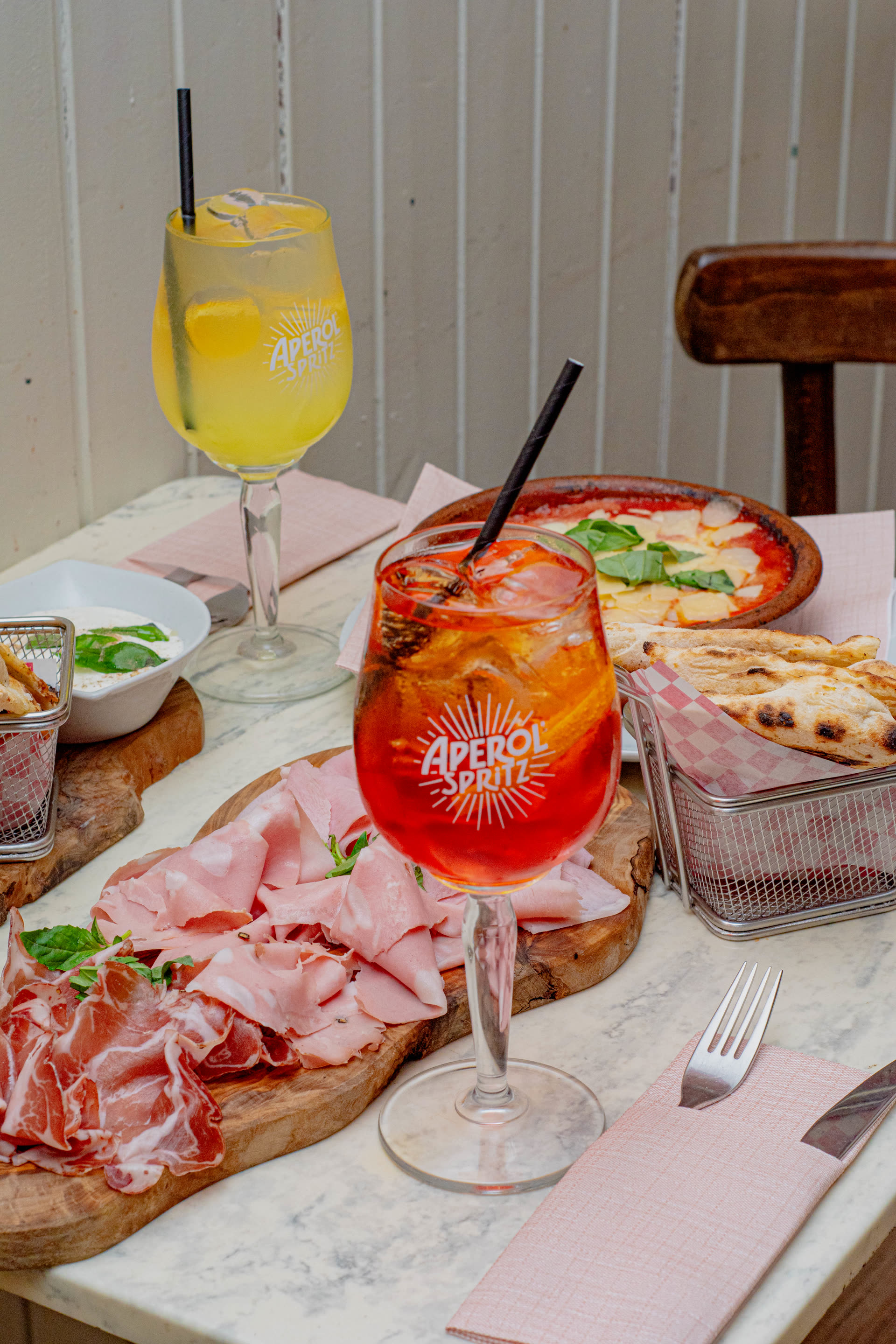
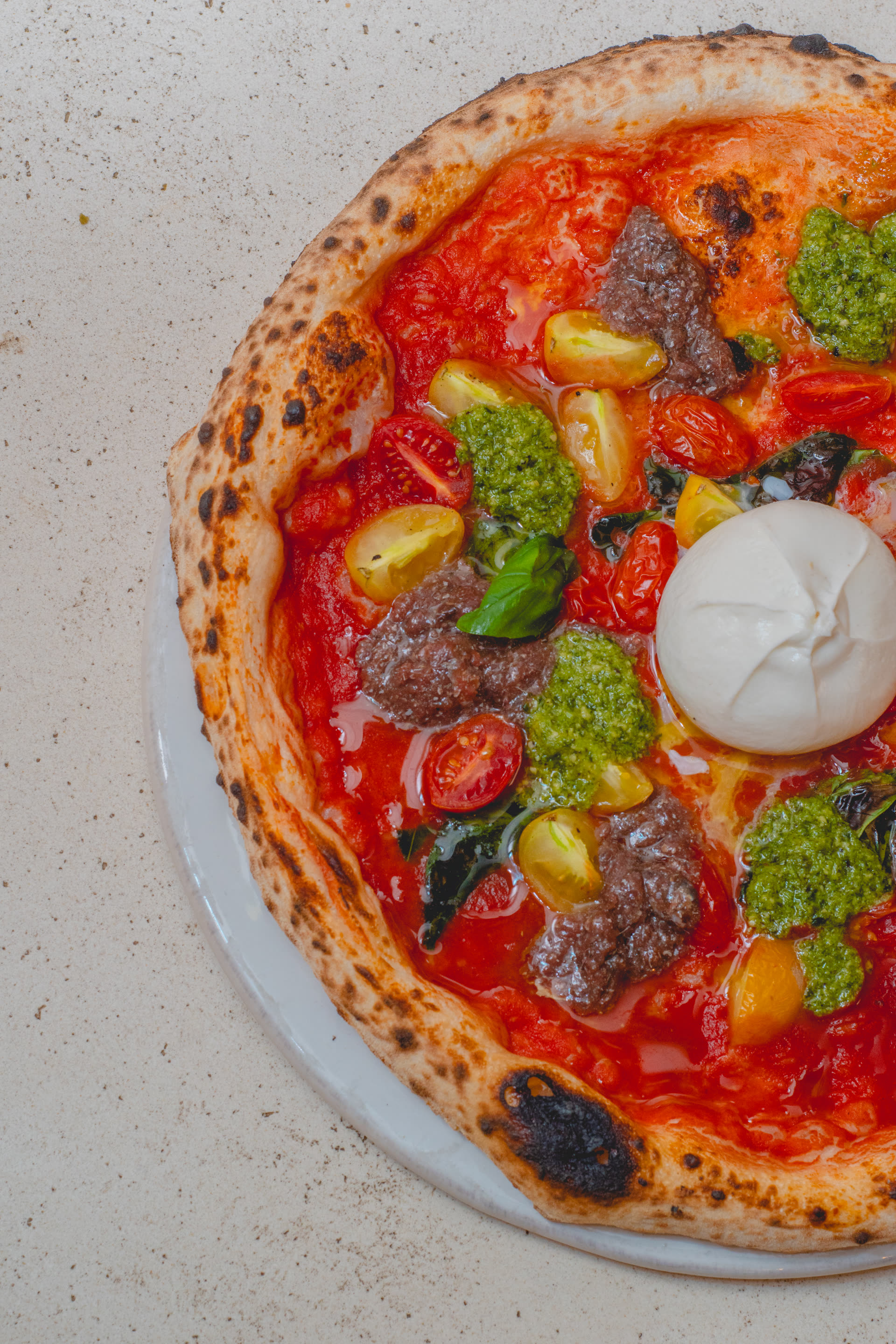
When a restaurant books a shoot without a clear list of placements, it usually ends up with ten nearly identical overhead plate shots that grow repetitive by week three on Instagram and do nothing to show the dining room on Google Maps. For a photo library to feed every channel for months, as we built at Rifugio, we split the window between services into three distinct layers: finished dishes on real crockery for the menu, hands finishing a ticket at the pass, and the ambient light of the dining room or terrace.
Without room shots, someone checking the map cannot tell whether the venue suits a quiet dinner for two or a lively group; without clean dish shots, your digital menu stays bare; and without the chef’s hands in motion, weekly Stories lose their pulse. Spending twenty minutes on each layer during the same afternoon multiplies the value of the shoot without asking the kitchen to prep twice the food.
Food photography at Rifugio using the dining room’s real crockery and ambient light.
Framing for both a horizontal menu and a vertical ad before clearing the plate
A common technical mistake that renders half a photo folder useless mid-year is shooting every dish too tightly in horizontal orientation. The day you want to launch a vertical Story ad or build a carousel cover, cropping in slices off the edges of the plate and leaves nowhere to place the restaurant’s name or neighbourhood. That is why every key dish is captured in both orientations before it leaves the table.
In hospitality it also pays to split your annual photography into two focused waves rather than trying to shoot winter stews and summer salads on the same Tuesday. You capture hearty dishes and the cosy indoor room in autumn, and save a second morning for spring once the outdoor tables are out on the pavement and lighter dishes join the menu. That way you never find yourself posting a sun-drenched July terrace shot on a rainy November evening.
Naming the folder properly and retiring dishes the day the menu changes
The real test of a year-round shoot comes on a random Thursday six months later: the person running social media opens the folder at ten in the morning and finds the exact dish photo, labelled with its menu name and crop, in ten seconds flat. If the files are still named `DSC_0492` and someone has to text the chef to ask which sauce was in the bowl, the folder gets ignored and the team falls back on blurry phone snaps taken in the dark.
Just as importantly, the floor manager and the social media lead agree that the very day a dish comes off the printed menu, its photos move into an archive subfolder and come down from Google Maps and active ads. Keeping food colours completely honest without heavy filters and retiring old plates on time lets your reportage work hard for the venue all year long.
A post from Rifugio’s monthly social media content calendar.
Placement planner for an annual food photography shoot
Fill in this sheet with your kitchen and marketing lead before the shoot so no essential format gets missed.
Season covered by this wave (autumn-winter / spring-summer):
6 to 8 core menu dishes to shoot in both horizontal (menu) and vertical (social/ads):
2 or 3 action frames of hands at the pass or prep in the kitchen (for Reels and Stories):
3 shots of the dining room, bar, or terrace in real service light (for Google Maps and web):
Crockery, cutlery, and tables chosen to keep a consistent visual line:
File naming convention (dish-name_placement_ratio.jpg):
Last season’s dishes to remove today from the digital menu and Google profile:
Target month for the next seasonal wave: