In restaurant food photography, the dish and the chef choose the light: either a table by the window or right on the pass. Locking that choice into the shoot sheet stops hot plates from being carried halfway across the dining room while losing heat.
Two honest light sources that tell the truth about your restaurant
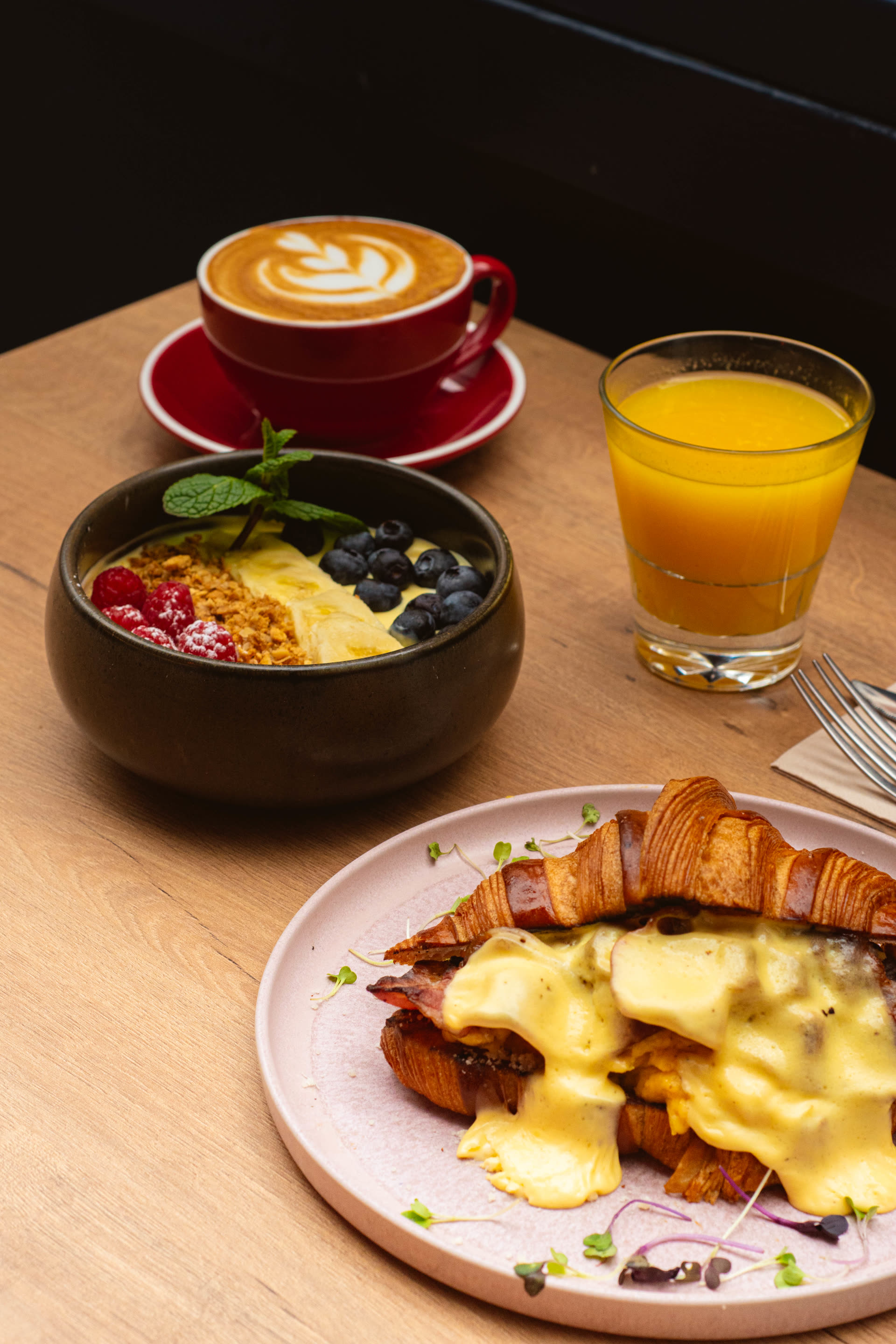
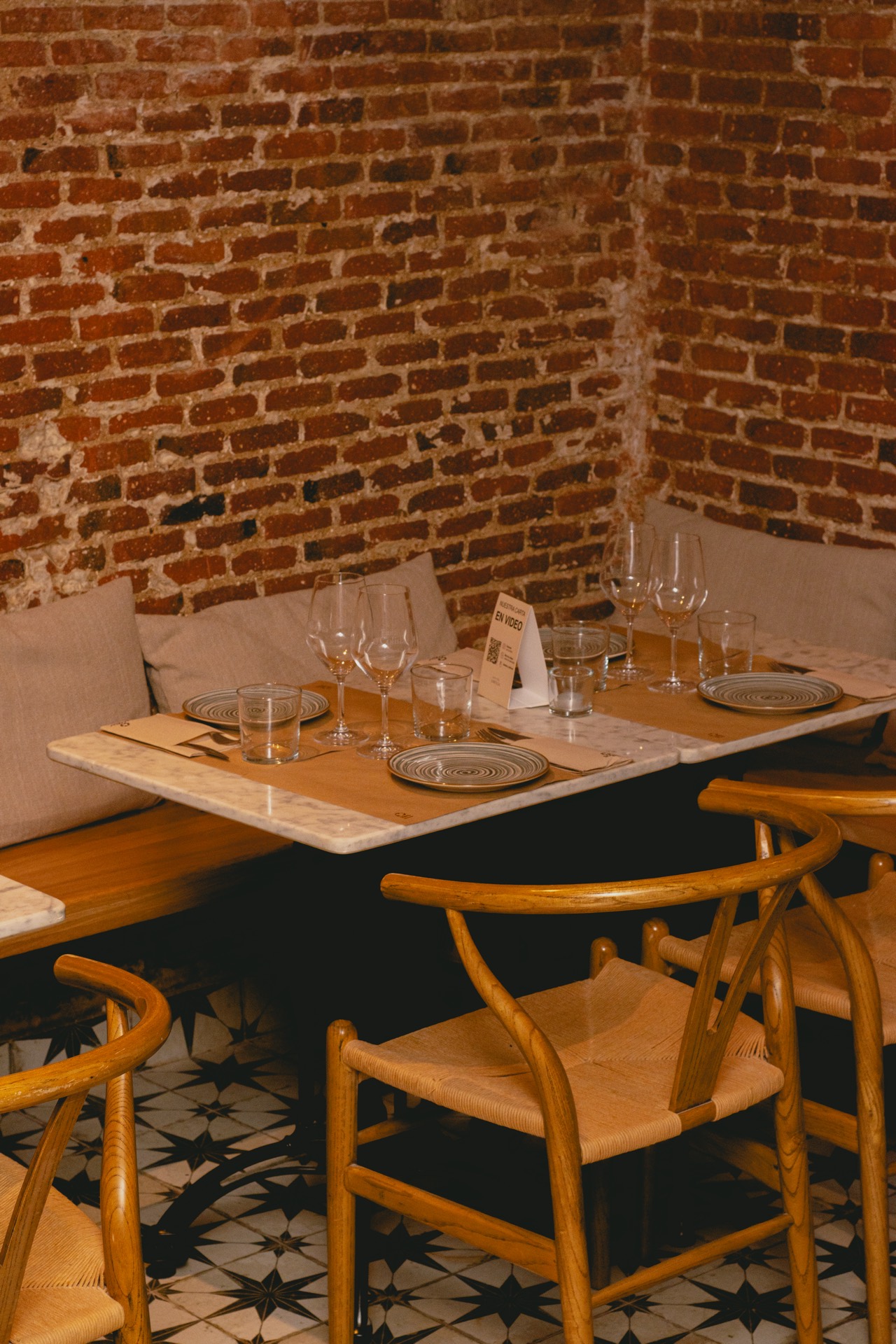
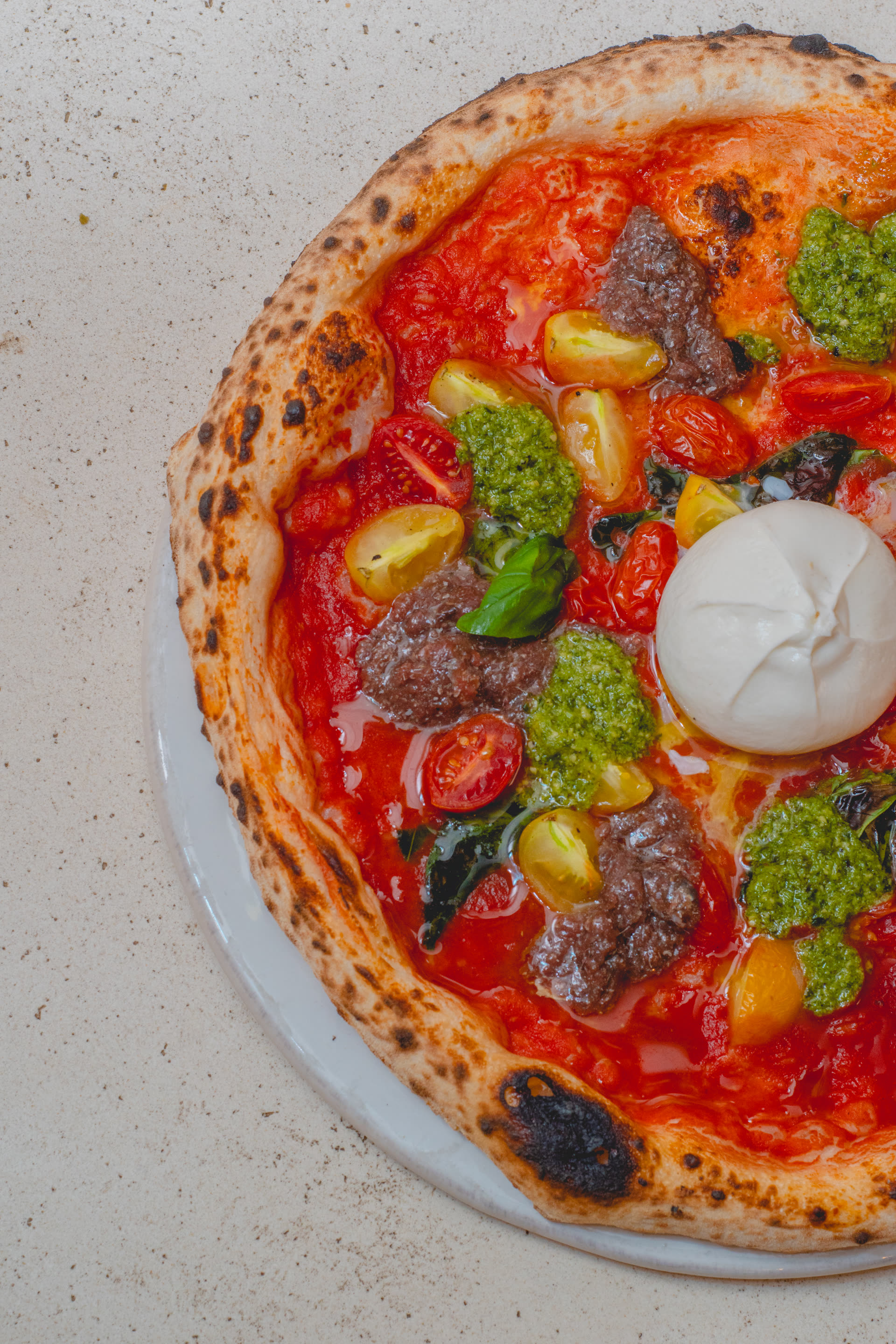
When you walk into a working restaurant to shoot the menu, setting up giant softboxes and black flags across the dining room not only blocks the floor staff, it leaves the food with an artificial studio sheen that looks nothing like what a guest sees at the table. In hospitality, almost everything comes down to two honest light sources: side daylight at a window table—the way we shoot breakfast at Botequim or pizzas at Rifugio—or the direct light right on the pass, as we do at Barra Amelia.
Choosing between them is never a photographer’s whim; it is a practical call made with the head chef before the first plate is fired. A daytime dish or brunch spread belongs in the natural light of a window table, whereas a piping-hot evening plate or delicate garnish that suffers on a ten-metre walk across the floor belongs right on the pass.
On-location shot at the pass in Barra Amelia, captured with the exact plating served in the dining room.
Keeping one consistent light across the same menu section
One of the quickest ways to make a digital menu look disjointed is shooting the first three starters under the warm tungsten lamp of the pass, carrying the mains over to a cool, overcast window, and shooting desserts in a dim back corner. Placed side by side on a phone screen, the dishes look as though they came from three different restaurants.
To avoid that mismatch, the shoot sheet locks in one consistent lighting setup for the entire menu series. If the kitchen decides hot sauces cannot travel to the front window without splitting in two minutes, the whole run is dialled in at the pass before the first ticket is called. And if you are drafting the brief a day ahead and do not yet know which spot works best, you flag it to check with the chef before setting up the tripod.
Dialling in the frame with an empty plate so hot food never waits
Respecting the kitchen’s craft shows in the five minutes before food hits the pass. Cristina never asks for ‘one more shot in a brighter corner’ while a dish is losing steam, and Carlota never selects a frame for social media if the plating differs from regular service. Every camera setting is locked in beforehand using an empty plate from the exact same crockery stack.
The moment the head chef sets down the finished dish and signs off on the plating, the exposure is ready and the shot takes seconds. If a garnish ever slips out of place compared to real service, the plate is tidied and shot again in that exact same light without wandering around the room mid-morning.
Food photography at Rifugio using the dining room’s real crockery and ambient light.
Light and pass timing sheet for a food photography shoot
Agree on these eight points with the head chef before firing the first dish so the light stays consistent and the pass keeps moving.
Restaurant, shoot date, and person signing off at the pass:
Light chosen by the kitchen for this run (window table / straight on the pass):
Exact table or pass spot pre-metered using an empty plate from the same crockery set:
Approved dishes today ordered from fastest cooling to longest holding:
Maximum minutes per plate before steam drops or sauces lose their sheen:
Real service garnish confirmed (zero extra herbs that are skipped on busy nights):
Capture format at that spot (stills only / stills + short vertical clip):
Control rule: keep the same light across the series and reshoot if plating varies.
Window orpass
Window or pass
If you want your menu photographed in your venue’s real light without slowing down the kitchen, write to us for a quote with no commitment.