A food shoot is never ordered by how the Instagram grid will look, but by which dish loses its steam and texture first. Here is how we build the run sheet with the kitchen so every frame keeps the life of the pass.
The firing order belongs to the stove, not the feed layout
The costliest mistake in a restaurant photo shoot is asking the kitchen to send out six dishes at once for a big tabletop spread. By the time you position the third plate on the table, the first one has lost its steam, the glaze has dulled, and the sauce has skinned over. If you want food to look freshly cooked on screen, the shot list must be ordered from fastest cooling to slowest.
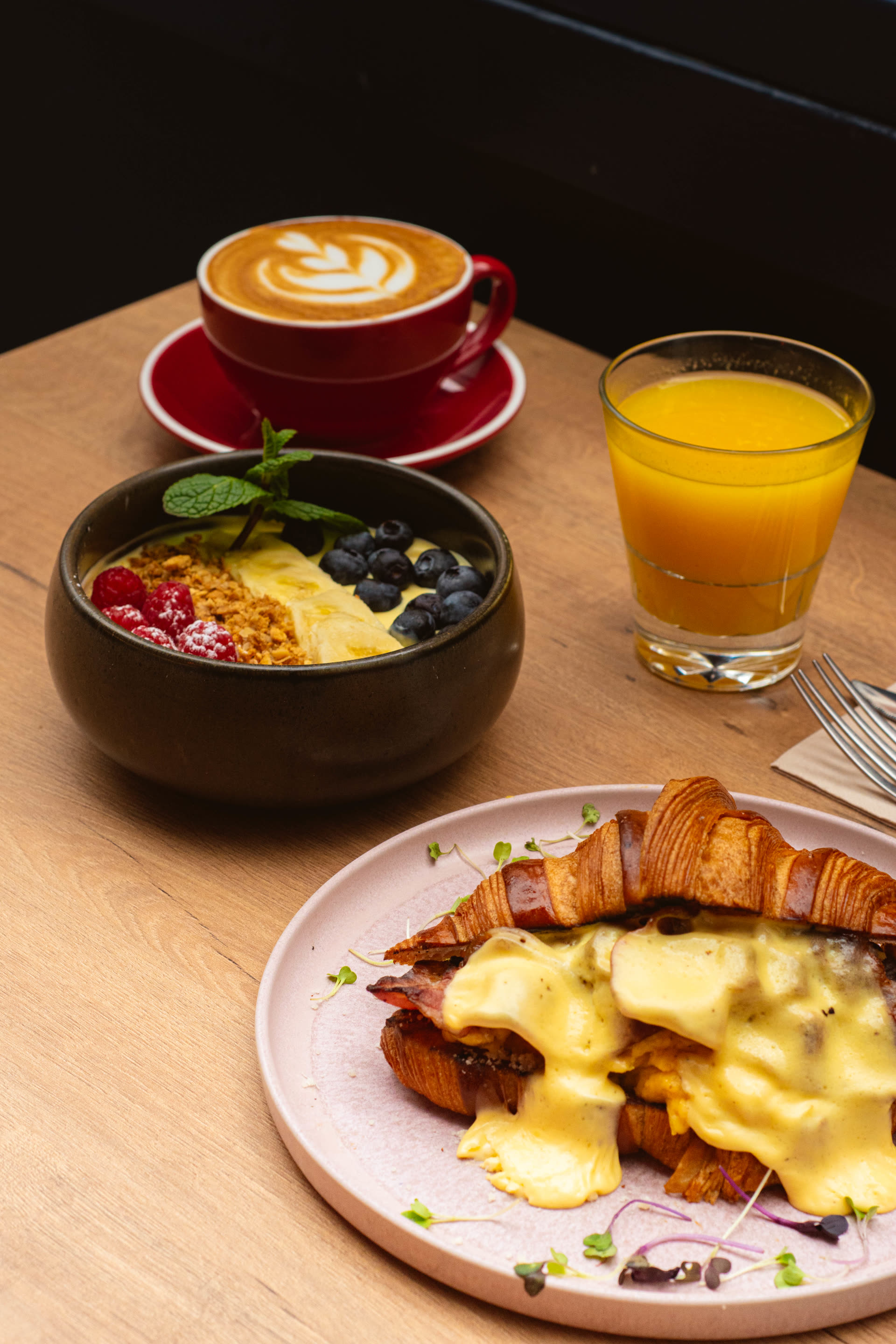
Before picking up the camera, we sit down for ten minutes with the head chef and note how many minutes each dish stays alive once it hits the pass. A poached egg, a fried starter, or a foamed coffee at Botequim gives you barely ninety seconds and always goes to the top of the list. Cold salads, dry pastries, or sealed bottles wait until the end because they can sit on standby without losing their look.
When we plan a kitchen shoot, Cristina times every dish around the pass through our food photographer service; message us for a no-commitment quote.
On-location shot at the pass in Barra Amelia, captured with the exact plating served in the dining room.
Setting the table and checking the light before calling the ticket
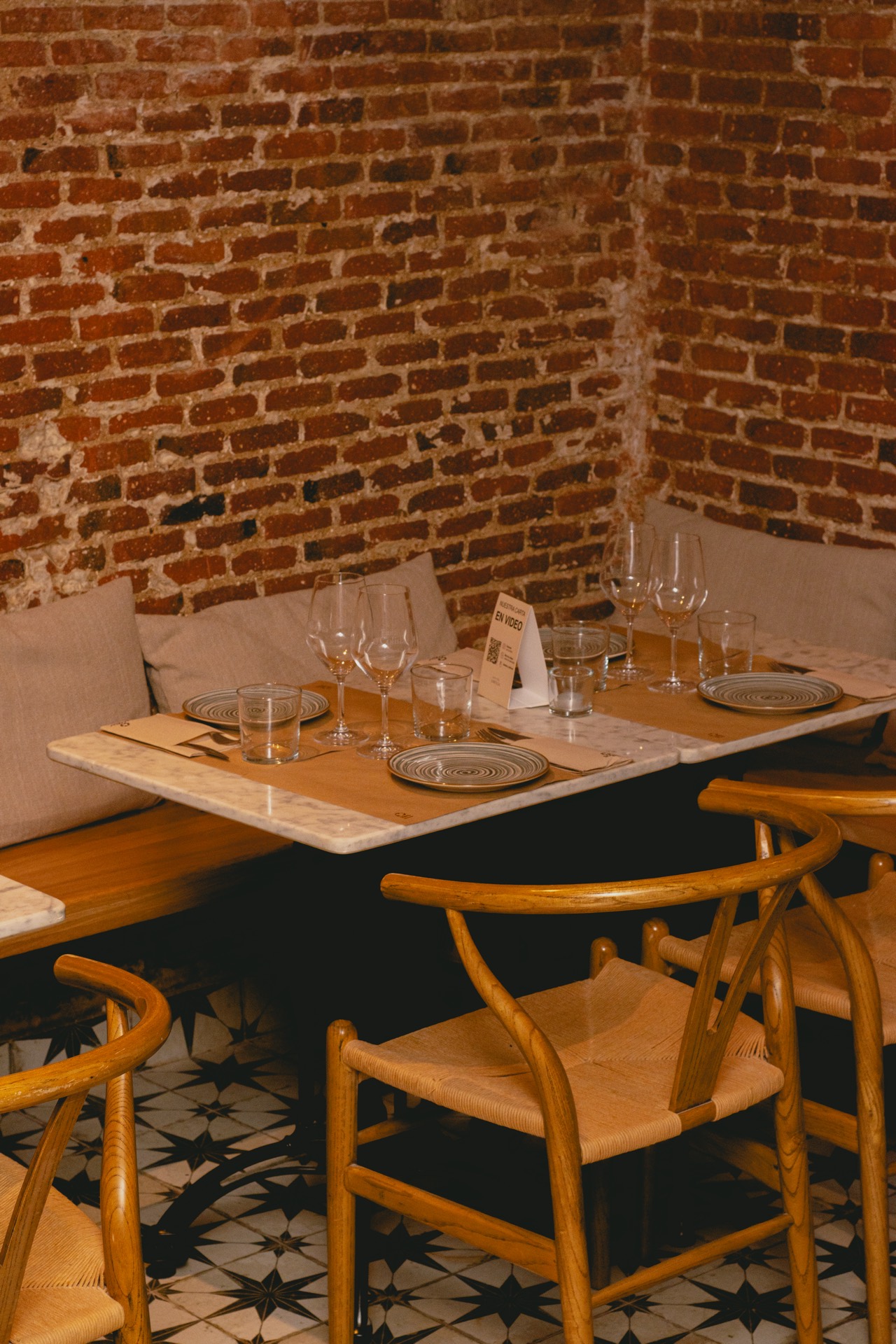
A photographer should never hunt for the angle or test the exposure while a hot dish is already sitting on the table. The proper workflow is setting the tripod, picking the table with the best natural light in the room, and framing up with an empty plate from the same crockery set. That way, when the chef calls that the dish is coming up, the cutlery, napkin, and glassware are already locked in place.
On the run sheet, every line carries three essential details: the dish name, the minutes it holds its peak, and the name of the person plating it. If we do not know the time window for a specific recipe, we ask the kitchen before starting rather than guessing mid-shoot. That allows the chef to send plates out one by one at a calm pace, and every frame captures the exact standard served in the dining room.
Fixing a hard wrap time so you never crowd lunch service
A well-run shoot always ends with a hard wrap time agreed in advance with the floor manager. When the whole team knows the camera and tripod must be packed away by half past twelve so the room can be set for lunch, nobody tries to squeeze in extra dishes at the last minute. Throwing three unscheduled plates onto the pass ten minutes before doors open only creates friction between the kitchen and front of house.
When Cristina shoots at venues like Barra Amelia or Rifugio, we lock in the exact number of dishes that fit comfortably into the morning slot without delaying opening time. Any recipes that do not fit simply move to the top of the next monthly shoot list. Respecting the kitchen's clock keeps the crew happy to help and ensures the resulting photos look genuinely appetising.
If you need short service clips alongside stills, Cristina and Carlota coordinate on-site content creation with a no-commitment quote.
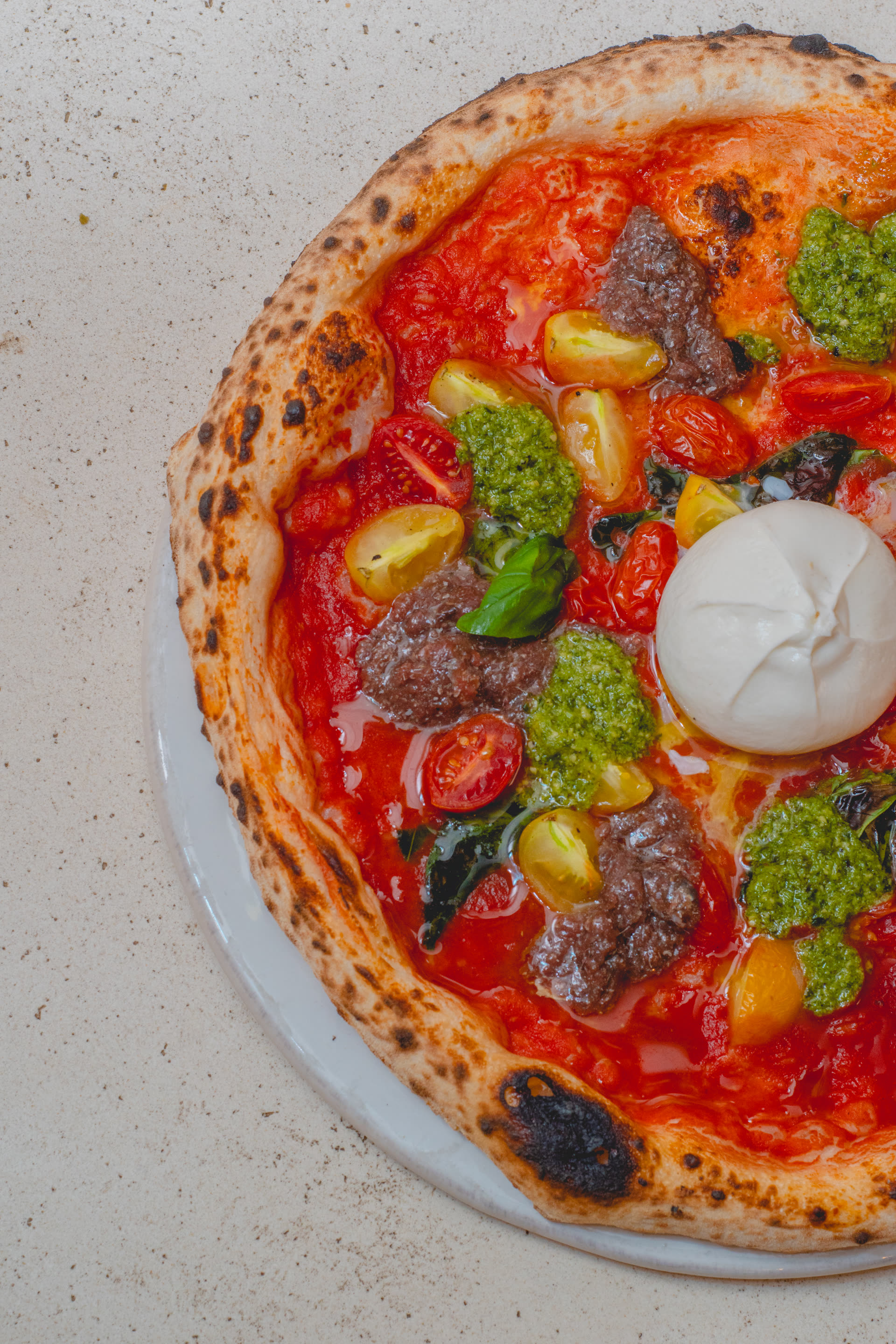
Food photography at Rifugio using the dining room’s real crockery and ambient light.
Shoot run sheet ordered by cooling time
Copy this sheet and fill it in with the head chef ten minutes before starting your photo session.
Restaurant and shoot date:
Camera start time / Hard wrap time before service:
Chosen table or corner (pre-tested with an empty plate):
1. Fastest dish (1-2 min window) | Plated by:
2. Hot pass dish (2-3 min window) | Plated by:
3. Warm or oven dish (3-5 min window) | Plated by:
4. Cold dish or pastry (5-10 min window) | Plated by:
5. Drink or tabletop detail (last slot) | Served by:
Floor team member clearing each plate after the shot:
What coolsfirst
What cools first
If you want to run a well-timed shoot with your kitchen without slowing down the venue, message us on WhatsApp and we will set it up.