A pre-service Story, a main Instagram feed post, and a Facebook note do completely different jobs even when they share the exact same dish photo. Instead of pasting the same copy three times, match the length and call to action to each screen.
Why automatic cross-posting flattens engagement across your channels
When you tick the box to auto-publish the exact same Instagram caption onto your Stories and your restaurant’s Facebook page, at least two of those three placements end up looking awkward. A fifty-word block of text dropped over a Story covers the food and nobody stops to read it; meanwhile, a punchy line saying ‘link in bio’ copied over to Facebook confuses local regulars on a platform where clickable links and phone numbers actually work inside the post.
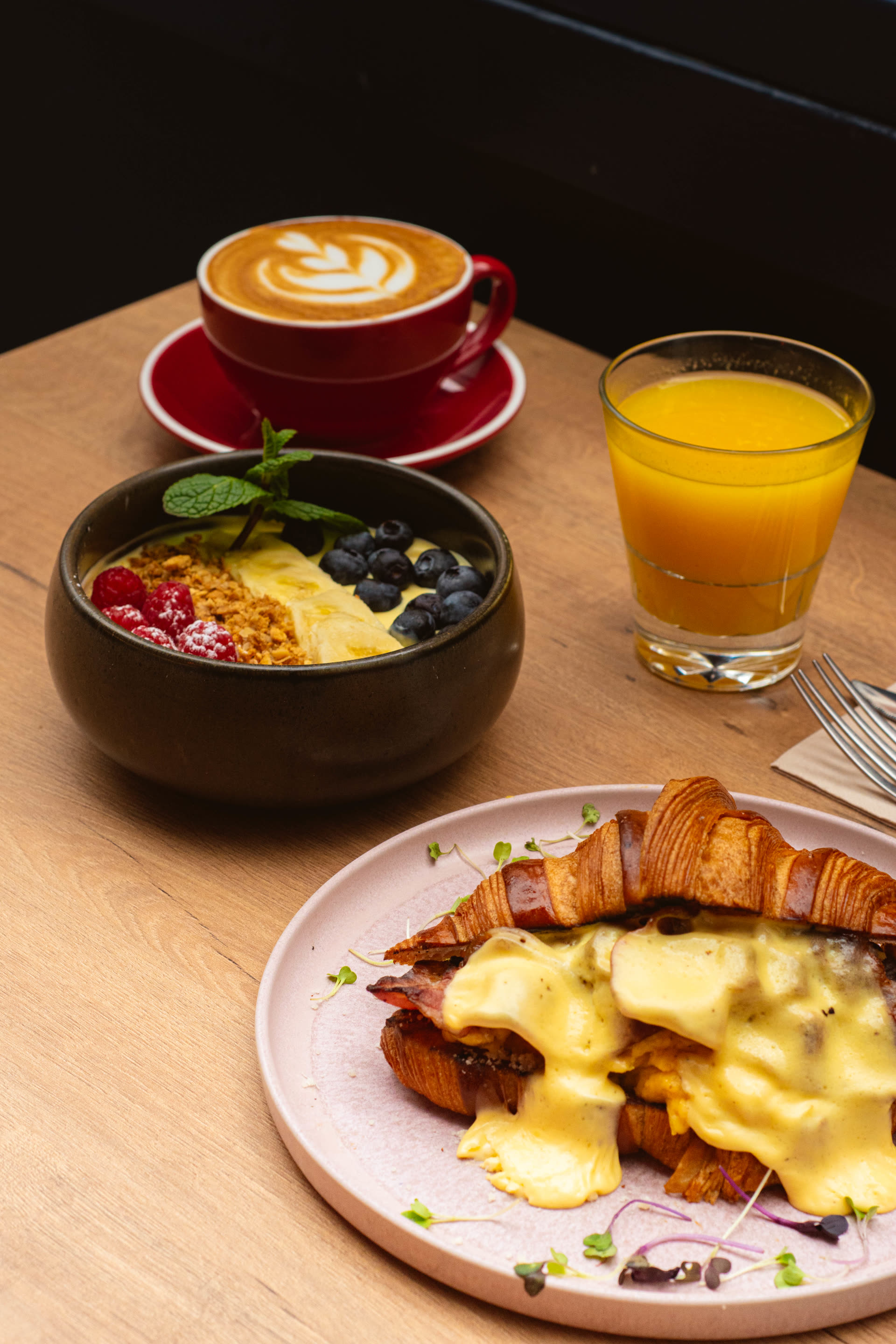
Starting from one strong photograph—like the breakfast table at Botequim—saves huge amounts of visual legwork, but it deserves five minutes to write three distinct lengths. Each channel has its own reading pace and its own way of guiding a guest to your door.
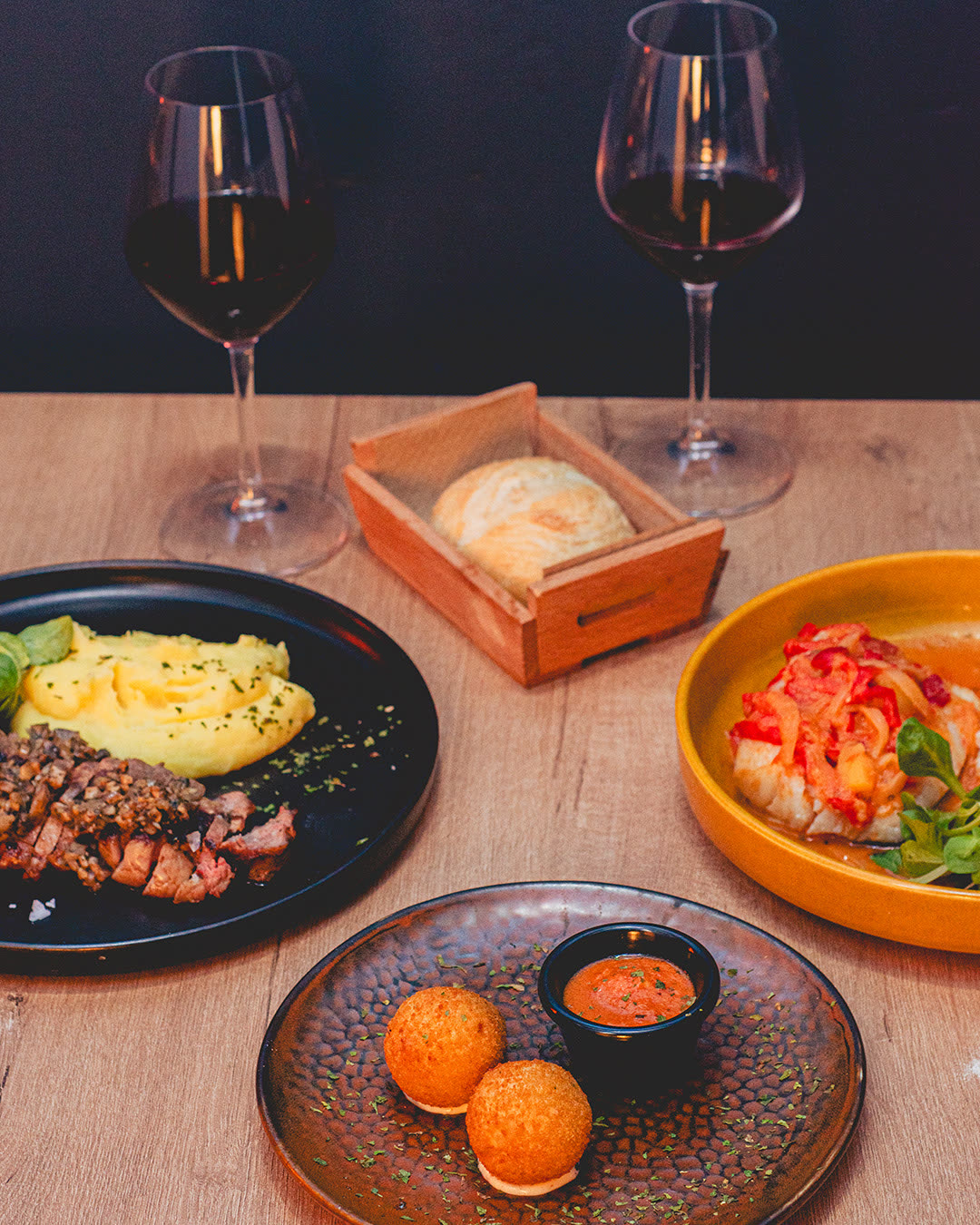
Feed design for Botequim keeping a recognisable visual system week after week.
Eight words on Stories, fifty on the grid, and two short paragraphs on Facebook
For the day’s Story, the person posting only needs a clean six-to-eight-word text block naming the dish from the menu and pointing out one detail visible in the frame, paired with a direct WhatsApp or booking sticker. Someone tapping through Stories decides in two seconds whether they fancy dropping by today.
By contrast, the main Instagram feed post works best around forty to sixty words: it opens with what makes that dish unmistakable in your kitchen, mentions the crockery or corner of the room, and closes with one clear call to action. And on Facebook, where plenty of local neighbours and families still browse ahead of the weekend, two short conversational paragraphs that include your exact street, opening hours, and a direct booking link perform best.
The specific-plate test for cutting out generic filler sentences
Before signing off on the three versions, the manager or social media lead runs one simple test on every sentence: would this line still make complete sense if we swapped the photo of this breakfast for a bowl of soup or a burger? If the answer is yes—because it says something vague like ‘made with love to start your day right’—that sentence gets cut on the spot.
Good copy is anchored to what the eye actually sees in that specific photograph: the toasted crust, the ceramic mug, or the freshly baked dough. When Cristina shoots the real plates in the dining room and Carlota writes the three channel versions for the weekly calendar, every platform speaks naturally to its audience while staying completely true to the menu.
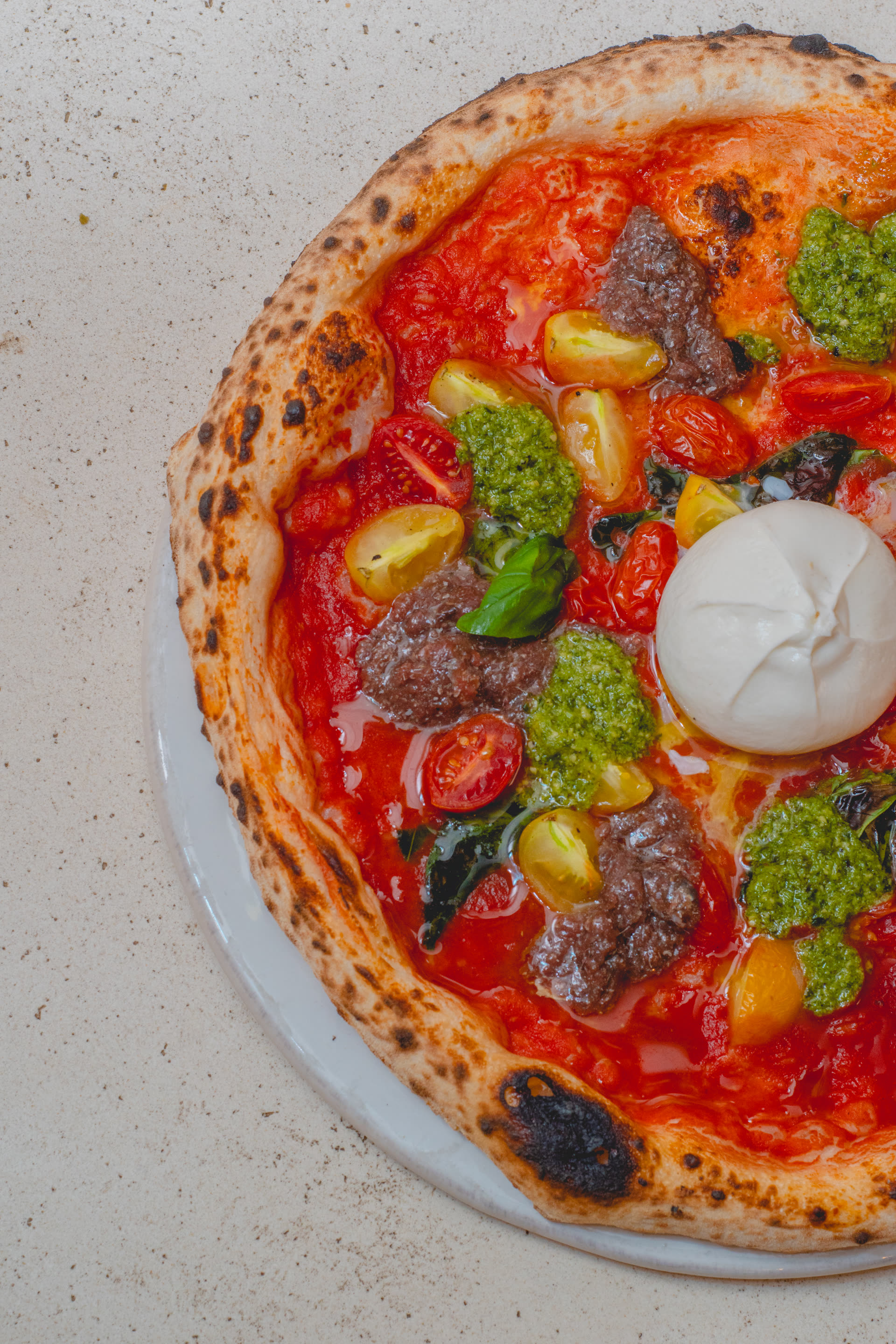
Food photography at Rifugio using the dining room’s real crockery and ambient light.
Worksheet for writing 3 channel-specific texts from one photo
Fill in these fields with the photo open in front of you so Stories, the Instagram grid, and Facebook each get tailored copy.
Chosen photograph and exact name of the dish on the menu:
Details visible specifically in this frame (ingredients, cut, mug, daylight):
Neighbourhood, street, and shift hours when this dish is served:
1. Story text (under 8 words: menu dish name + visible detail + link sticker):
2. Instagram feed caption (40–60 words: dish + dining room + single call to action):
3. Facebook post (2 short paragraphs naming the neighbourhood, hours, and direct link):
Cleanup filter: cross out any line that could apply to a completely different dish:
Kitchen confirmation that the dish is plated this exact way all week:
Onephoto threetexts
Three texts, one photo
If you want us to run all your venue’s social channels with real photography and tailored copy, write to us for a quote with no commitment.