You do not need to photograph twenty different dishes every Monday to keep your restaurant’s social channels alive. Three well-shot plates can easily cover the week if you vary the crop and opening angle, and know when to stop before repeating the same line.
Three strong photos in the folder beat ten rushed snaps every time
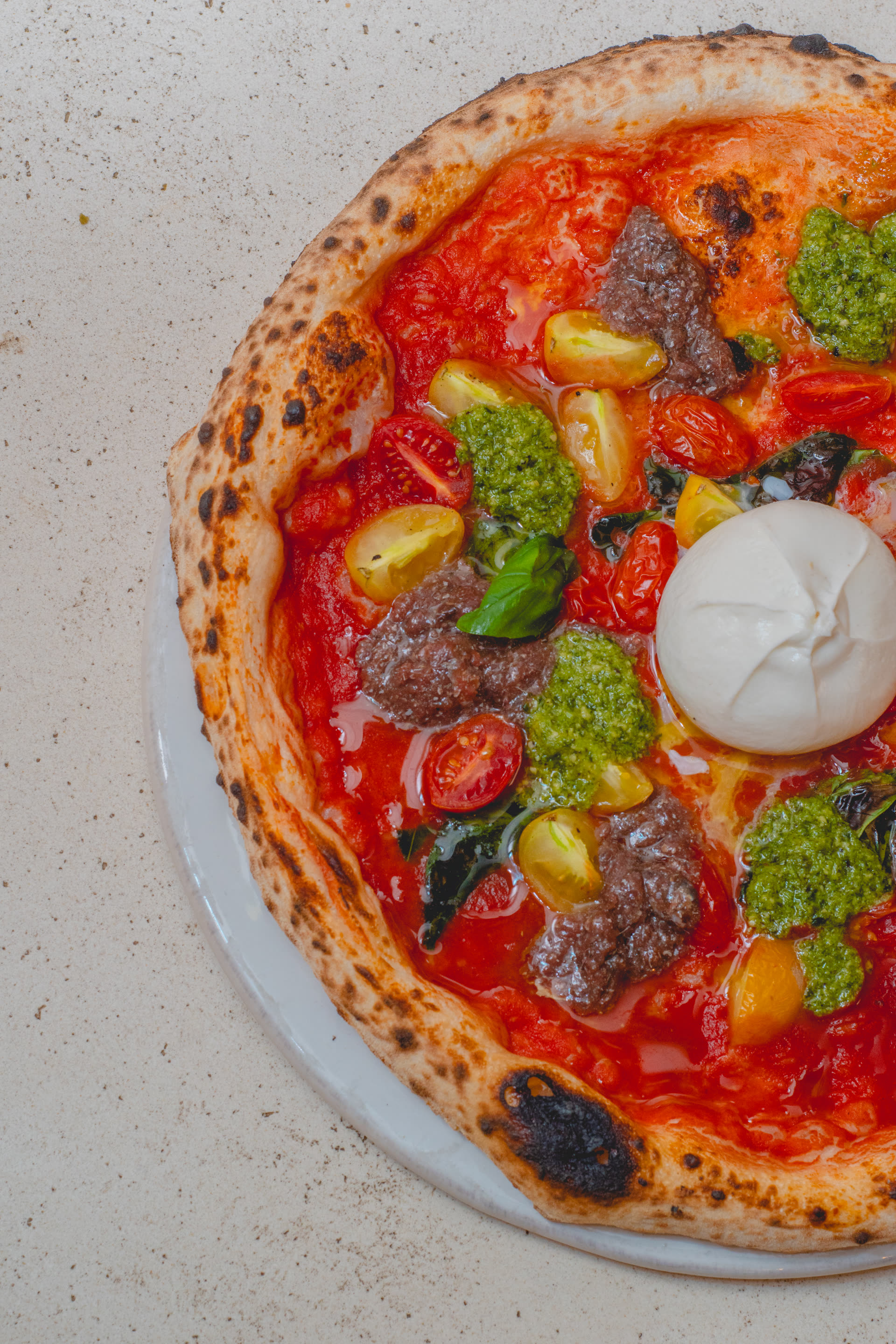
Many restaurant owners stall on Instagram because they assume every single post requires a brand-new dish that has never appeared on the grid before. Life on the dining room floor is very different: your regulars come back week after week for the three or four signature plates that fly off the pass every service, just like the pizzas at Rifugio or the breakfasts at Botequim. Showing the same dish twice in a week never bores people so long as the photography is sharp and each post shares a genuinely useful angle.
Before writing a word, the person running the account picks out the three strongest verified files from the current menu. The golden rule is refusing to invent a fourth dish from memory or pad the week with blurry phone snaps just to make up the numbers. Those three real files are your entire toolkit for the week.
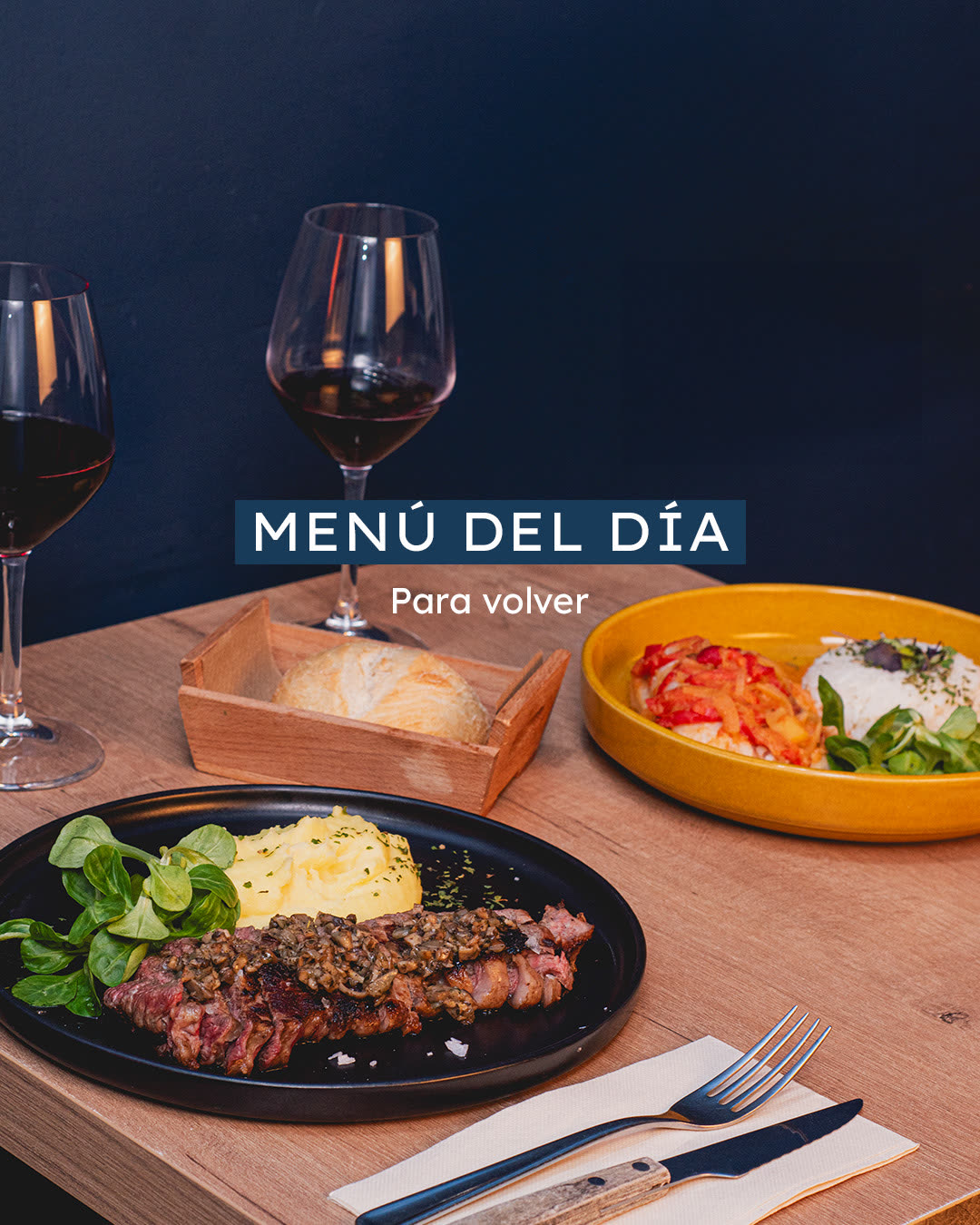
A feed post for Botequim where typography and colour frame a real photo from the venue.
Reusing a file by shifting the crop and the opening line
To stretch three photographs across four or five posts without making the grid look copy-pasted, you pair two simple techniques: a fresh visual crop and a different opening hook. If Tuesday shows the full tabletop shot inviting nearby offices in for a midweek lunch, Friday can use a tight detail crop of the same master file—or a designed editorial frame—aimed at weekend dinner bookings.
Whoever drafts the copy notes down next to each post what sets it apart from the earlier use: the first post highlights the visible ingredients on the plate and quick lunch service; the second focuses on the neighbourhood, what drink pairs with it at the bar, and how to book on WhatsApp for Saturday night. If you sit down to write a fifth or sixth post and realise you are repeating the exact same sentence in different words, you stop right there.
The natural signal to book your next short session at the pass
Knowing when to stop once a photo has said everything it has to say is what separates a considered restaurant profile from a repetitive one. If three dishes have comfortably given you four strong posts from Tuesday to Saturday, you let the grid rest on Sunday with a clear conscience.
That moment when you feel those three files have completed their run is the practical cue for the manager and for us at the studio: it is time to pick three or four other dishes from the printed menu and book a one-hour pre-service slot with Cristina. Your profile stays fresh month after month with zero last-minute scramble.
And once those three dishes have run their course and it is time to shoot new plates at the pass, Cristina visits your venue; ask for a no-commitment quote for food photography.
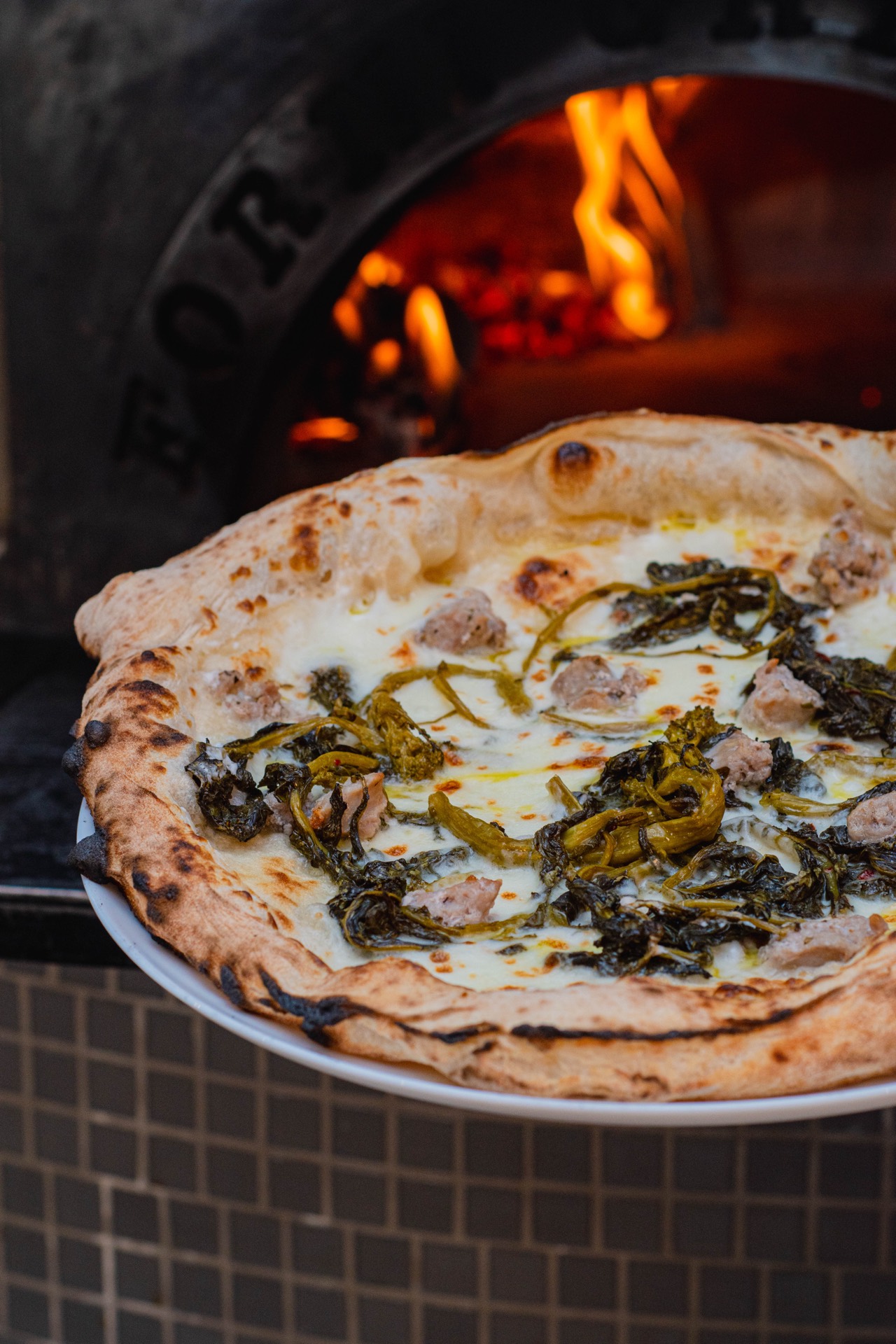
Shot right by the oven at Fame, ready for the Google listing, website, and weekly posts.
Planner for building 4 or 5 posts from 3 strong dishes
Copy this layout when you have a small batch of fresh files and want to cover the week without repeating yourself.
File A (exact menu dish and main visible detail):
File B (exact menu dish and main visible detail):
File C (exact menu dish and main visible detail):
Post 1 (Tuesday) -> File A full frame + focus on midweek neighbourhood lunch:
Post 2 (Wednesday) -> File B full frame + focus on visible ingredient and booking link:
Post 3 (Friday) -> File C full frame + focus on weekend dinner tables:
Post 4 (Saturday) -> Tight detail crop or editorial frame of File A/B + open seating note:
Closing rule: if Post 5 repeats the opening angle of an earlier post, leave it unpublished.
Threeplates thenstop
Three good plates cover a week
If you want to get the most out of your current photos or refresh your kitchen archive, write to us for a quote with no commitment.