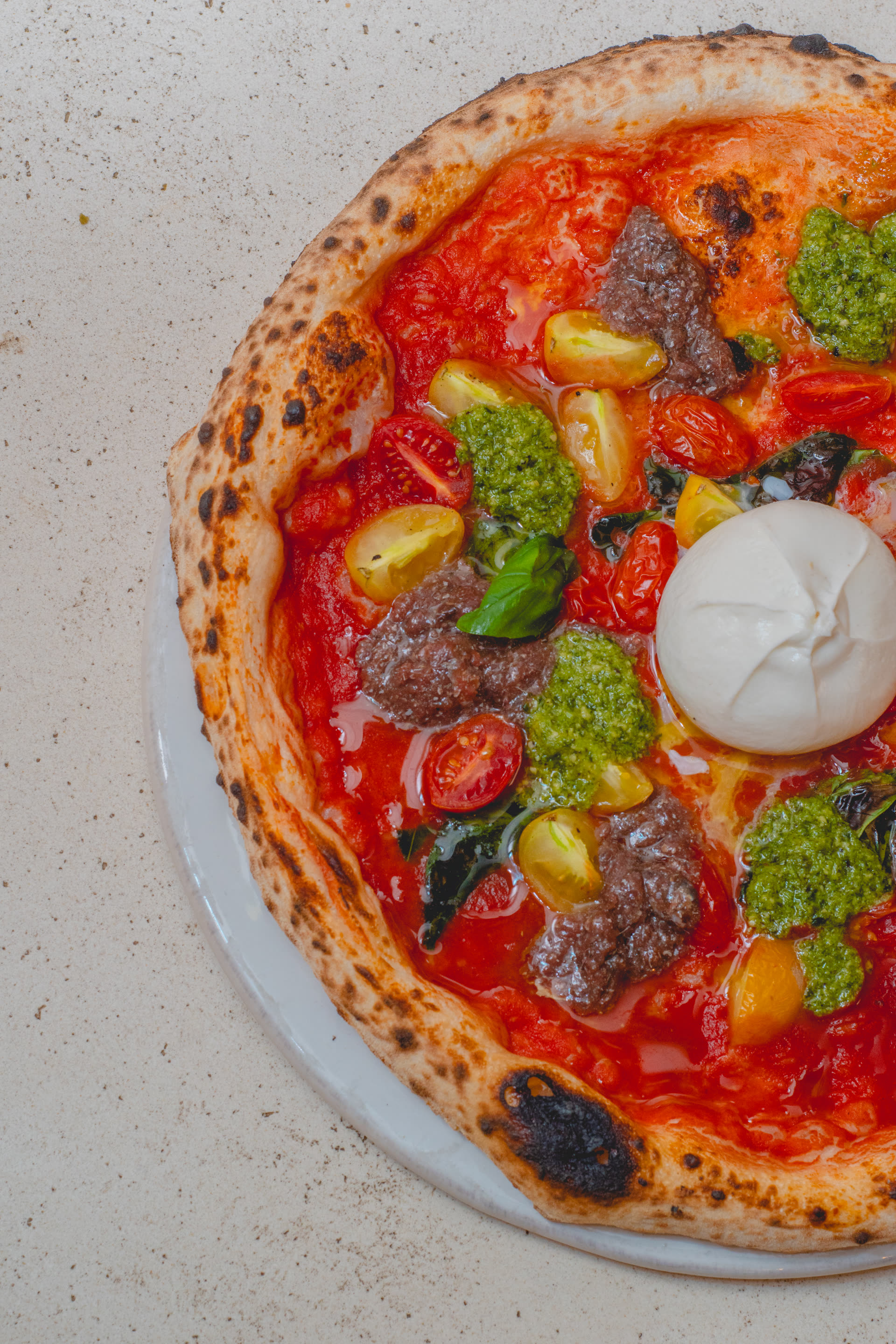
Calling yourself 'the best in Madrid' tells a hungry guest nothing, because any venue can type that into their bio for free. Naming your neighbourhood once alongside the dish coming off the pass tells locals that your table is right on their way.
Why naming your street works better than claiming a city ranking
Someone living or working ten minutes from your front door is not scrolling Instagram looking for grand boasts or self-awarded medals for the best dining room in the capital. What they want to know at one o'clock in the afternoon or eight in the evening is what dish just came out of your kitchen and which street they need to walk down to eat it today. When you swap hollow adjectives like 'unmissable' or 'unbeatable' for the actual name of your neighbourhood—whether that is Chamberí, Arganzuela, or Collado Villalba—the post stops reading like a tourist brochure and starts working like a genuine local invitation.
Across accounts like Rifugio and Botequim, we make sure the neighbourhood is mentioned just once per caption, as naturally as you would say it to a friend over the phone. Stuffing the street name four times into five lines to game search results makes the caption sound robotic and puts off real diners. All you need is the real photo of the dish, its exact name from the menu, and one clear mention of where the door is.
If you would rather have us run your weekly posts with copy written for the people in your area, Carlota handles social media management for restaurants; ask us for a no-commitment quote.
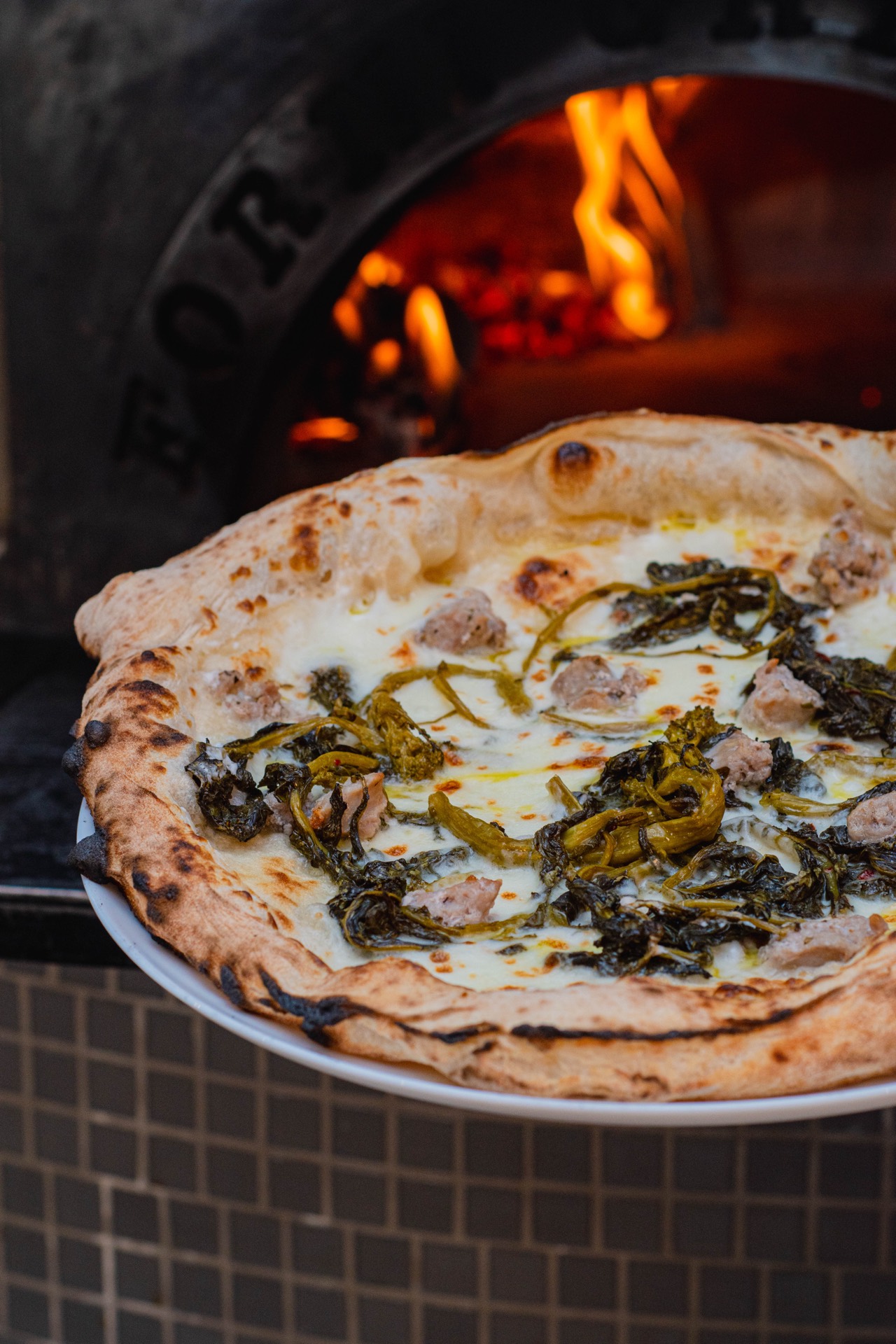
Shot right by the oven at Fame, ready for the Google listing, website, and weekly posts.
Writing the caption without comparing yourself to the venue across the street
Good hospitality copy stands on your own ingredients and the warmth of your dining room, never by putting down the bar next door or claiming nobody else in town ferments dough or braises meat the way you do. To write a caption in five minutes before service starts, open the photo you plan to post—say, a pizza fresh out of the oven or breakfast laid out on the table—jot down the dish's exact till name, and note one visible detail in the frame, such as the blistered crust or the stoneware plate.
With those three real facts in front of you, write two or three short sentences stating what the dish is, which neighbourhood you are serving it in today, and how the reader can grab a table. If you use a writing assistant to tidy up a draft between supplier deliveries, explicitly forbid words like 'top', 'unique', or 'the best', and never let it guess opening hours or prices you have not provided. Before hitting publish, you or your floor manager should read the lines aloud against the printed menu.
Always close with one clear instruction for getting a table
Plenty of restaurant posts fall short at the final hurdle because they show an appealing plate, mention the area, and then end abruptly without telling the guest what to do next. In the exact second a neighbour gets hungry looking at the photo, the final line should tell them whether they can walk straight in at lunchtime, message the venue's WhatsApp, or tap the booking link in the bio. That closing sentence is what turns a quick scroll on the underground into a booked table for dinner.
When Carlota maps out a client's monthly content calendar, she tailors that closing line to match how the floor actually operates through the week: Tuesday posts might invite walk-ins at the bar, while Friday posts remind people to message on WhatsApp before eight. That way your floor team receives guests through the exact channel they are ready to answer, and your Instagram grid works steadily for the dining room.
And when you need fresh photos of your dishes shot in the actual dining room to pair with that copy, Cristina arranges your food photography shoot with a no-commitment quote.
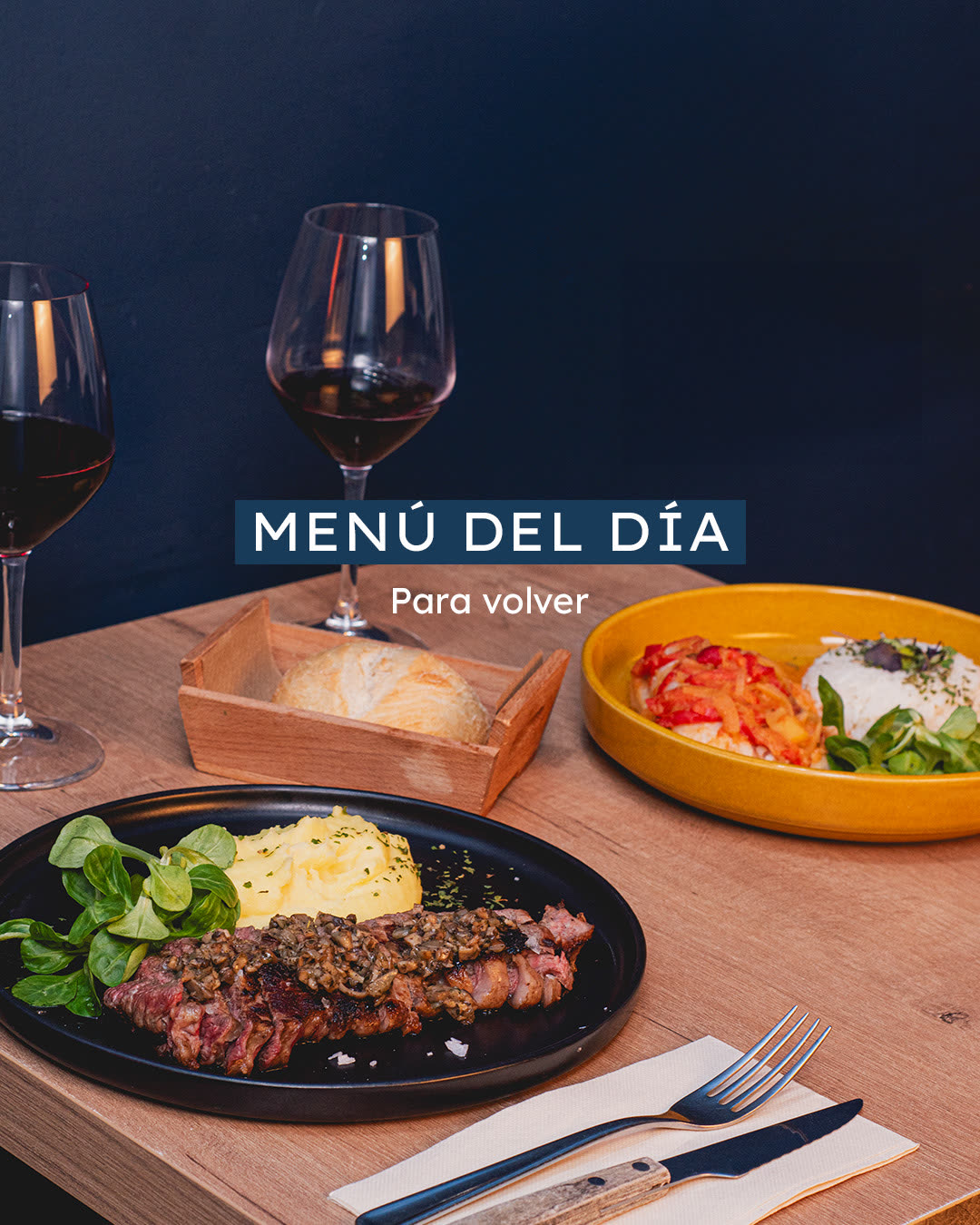
A feed post for Botequim where typography and colour frame a real photo from the venue.
Quick guide for writing a local caption that names your neighbourhood
Copy this template into your notes to write grounded, natural posts in under five minutes before service.
Restaurant: [venue name]
Neighbourhood or town (to mention once): [e.g. Chamberí, Madrid / Collado Villalba]
Dish name exactly as printed on the menu: [copy exact name]
Real detail visible in today's photo: [e.g. wood-fired crust, melted cheese, sunny terrace table]
Words banned from the caption: [best, top, unique, unmissable, comparisons with other venues]
Sentence 1 (The dish): [What the plate is and how it comes off the pass today]
Sentence 2 (The place): [Which street or neighbourhood we serve it in and today's hours]
Sentence 3 (The action): [Book via WhatsApp / Link in bio / Walk-ins welcome at lunch]
Final check before posting: [Does it match today's live menu? yes / fix]
Theneighbourhood once
The neighbourhood, said once
If you want your social channels to sound like a real neighbourhood dining room and bring locals to your tables, message us on WhatsApp.