The final five seconds of a Reel decide whether the viewer messages you for a table or keeps scrolling. If you close the clip with a logo on a black screen and a generic ‘follow us for more’, you waste the exact moment the dish just made them hungry.
Why a closing logo screen makes viewers swipe straight past
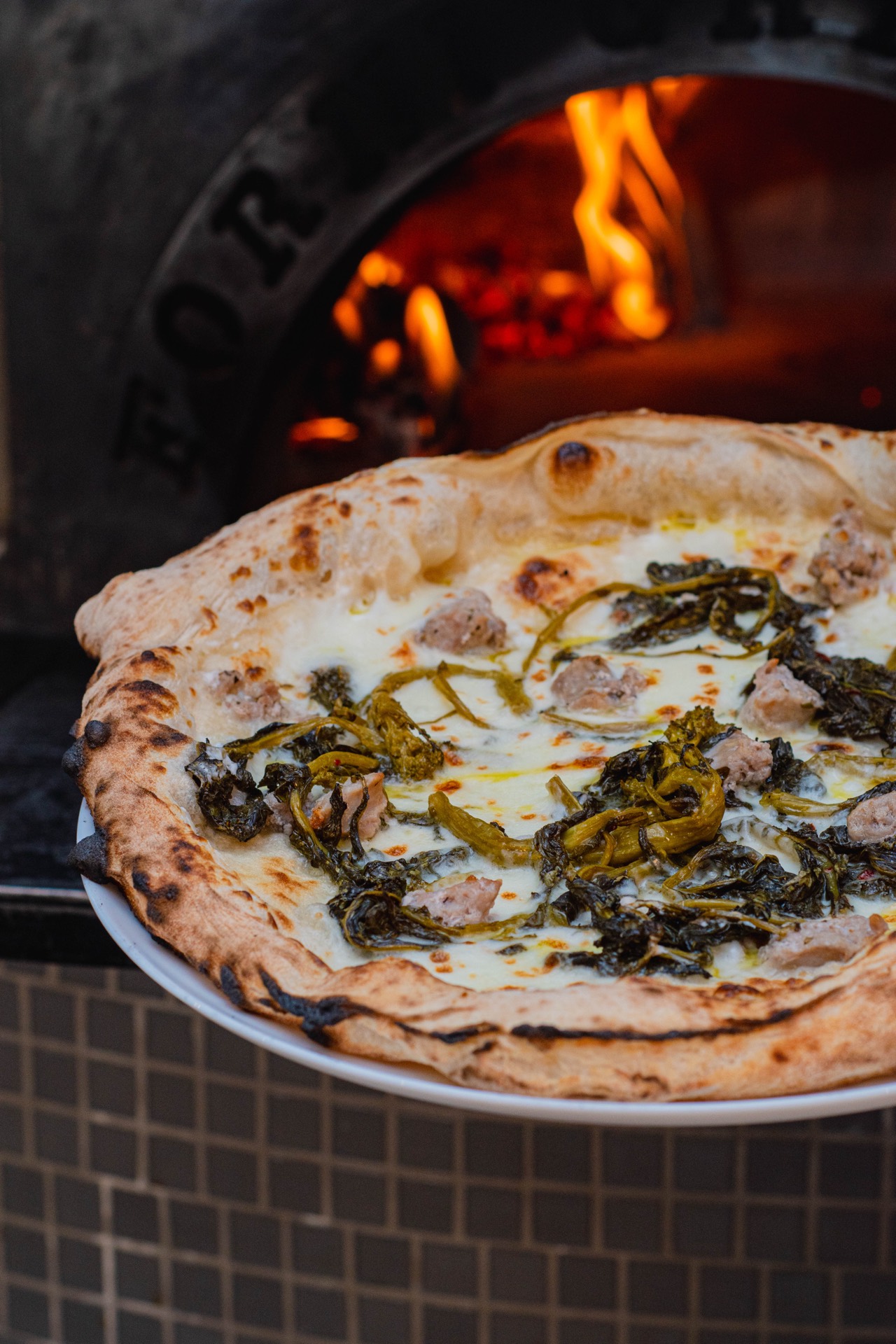
Traditional video production used to end every clip with a three-second white or black slate showing an animated logo and a row of social media icons. On a hospitality Reel, that kind of outro kills watch time and breaks the impulse to book. When someone is watching a steaming pizza come out of the oven at Fame or a dish being finished at the pass in Barra Amelia, what holds their eyes on the screen is the real food, not a vector graphic.
Just as importantly, Instagram loops the video the moment it finishes. If the final seconds hold on the most appetizing shot of the finished dish while your street name appears on screen, anyone pausing for a second to read the address seamlessly loops back into the food without feeling like an advert just cut in.
On-location shot at the pass in Barra Amelia, captured with the exact plating served in the dining room.
Splitting those final five seconds between the finished plate and the address
The structure that works best when we cut short-form video at the studio splits the close into two simple beats over the dish itself. For the first three seconds of the closing window, the camera holds steady on the finished plate at the pass or on the table—sliced open or steaming gently—with zero erratic camera movement. That is the frame that confirms exactly what will arrive at the table if the viewer visits tonight.
Over the final two seconds, with the dish still clearly visible underneath, one clean text card appears naming your neighbourhood or town and the single action to take: for instance, ‘Chamberí · Book via the link in our bio’ or ‘Dinner Thursday to Sunday · Message us on WhatsApp’. Skip the ‘like, save, and follow’ clutter—someone looking for dinner wants a table, not homework.
Locking in the closing shot before firing the dish, not in the edit suite
The most common headache when editing a Reel on a Monday afternoon is realising you have plenty of prep clips of hands chopping herbs, but not a single steady four-second shot of the finished dish on dining room crockery. When that closing shot was never filmed on site, the editor is forced to freeze a blurry frame or slap a logo on the end to fill the gap.
That is why, whenever Cristina plans a shoot day with the head chef, the closing hero shot is the very first thing captured the moment the plate lands on the pass. And if nobody on the team wants to speak a closing line to camera, we simply keep the real sound of the room underneath the text card, which feels completely natural.
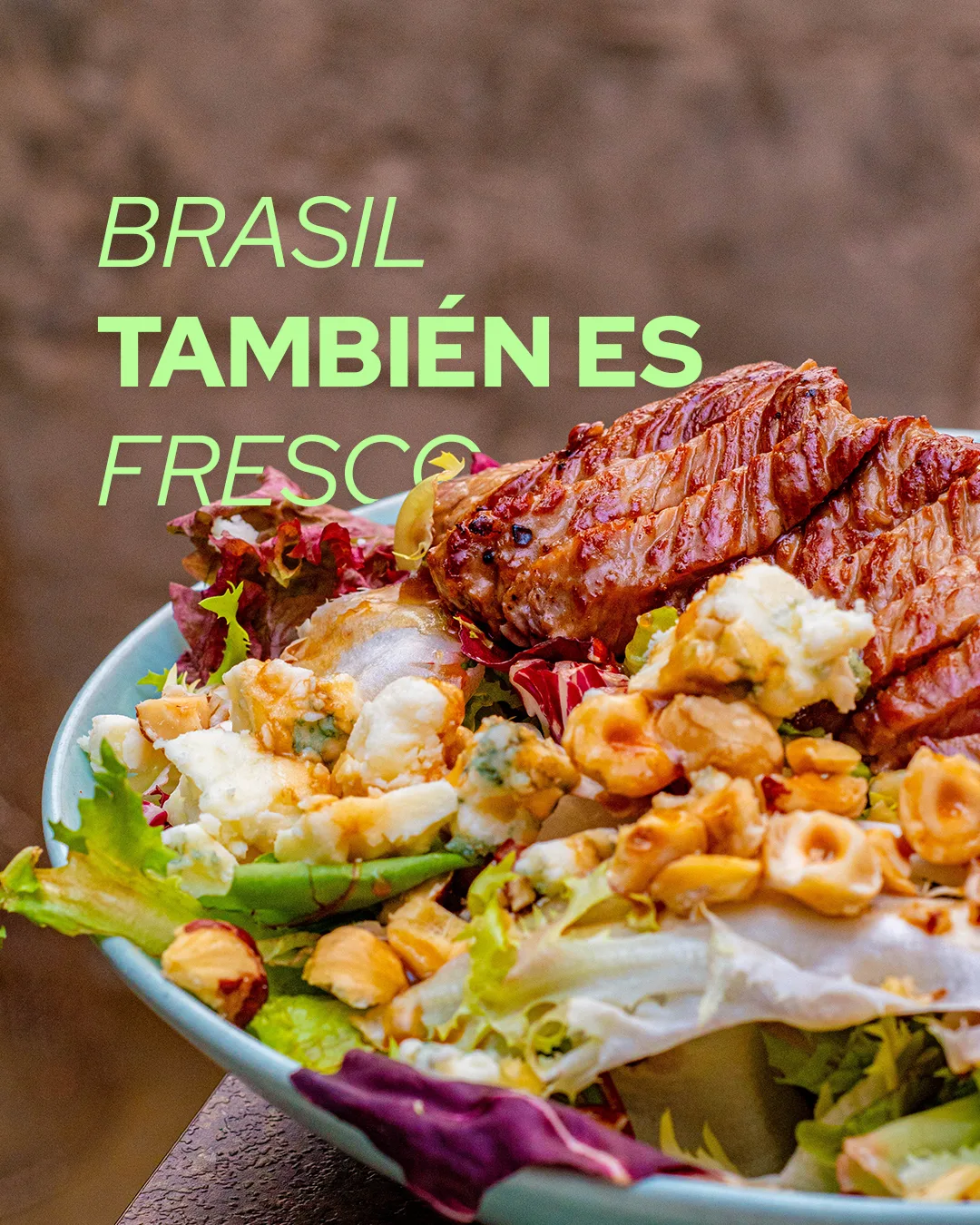
A 4:5 carousel cover for Tropicalista designed to read at a glance on a phone screen.
Script for the final 5 seconds of your restaurant Reels
Keep this checklist in front of you at the pass and in the edit so no Reel ever ends on a dead logo slate.
Hero dish featured in the Reel (exact name from the menu):
Steady closing shot captured on site (4–5 seconds of the finished dish on real crockery):
Appetising detail visible in that final shot (steam, cut cross-section, glaze, melted cheese):
Seconds -5 to -2 in the cut: unobstructed view of the finished plate:
Seconds -2 to 0 in the cut: clean text card showing [Neighbourhood/Town] + [Single action]:
Closing audio: genuine pass/dining room sound (or a spoken line only if natural):
Cut from the outro: black/white logo slates and generic ‘follow us for more’ prompts:
Loop check: does the final frame flow naturally back into second zero when the Reel repeats?
Theplate andthestreet
The last five seconds
If you want short-form videos filmed in your kitchen and built from start to finish to bring in bookings, write to us with no commitment.