When a family messages asking if you have a high chair and room for a pushchair, they need two separate, factual answers. Saying ‘it is usually fine’ without knowing where they will sit creates a Sunday lunchtime bottleneck for the whole floor.
Having a high chair does not automatically mean an open pushchair fits the aisle
Almost every Friday morning a direct message lands asking: ‘Hi, can we come for lunch tomorrow with a baby? Do you have a high chair and space for a buggy?’. If the person holding the phone fires back a cheerful ‘Of course, see you tomorrow!’ without separating those two questions, Saturday at two o’clock can easily turn into a double pushchair blocking the kitchen pass while both high chairs are already in use on the terrace.
High chairs and pushchair space are two separate physical facts about your dining room that the floor manager knows by heart. Plenty of venues have two high chairs ready to go, yet narrow aisles mean buggies must be folded by the door or booked onto one specific corner table. Sharing that practical reality upfront spares both the family and waiters carrying hot plates from an awkward squeeze.
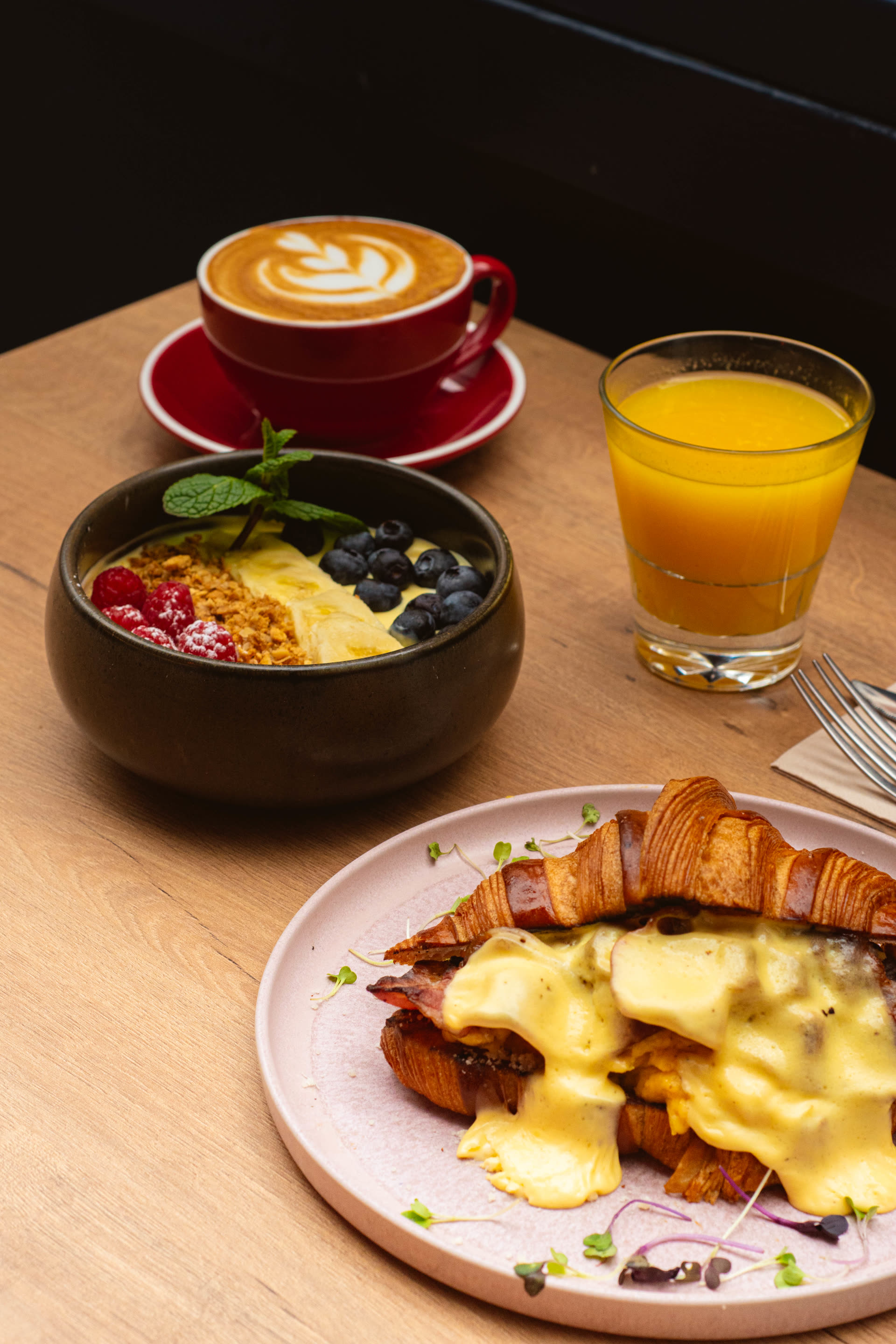
Tabletop shoot at Botequim, built to supply both the menu and the monthly social calendar.
Using the exact sentence your floor manager already says at the door
Whoever manages your social channels should never invent house policies on the fly or write stiff corporate rules; they should use the exact words the floor manager uses over the phone when taking a booking. For instance: ‘We have two high chairs available if we reserve one for you in advance, and because our aisle is cosy we either fold the buggy by reception or put you on the window table if it is free.’
If the person answering messages remotely does not have both of those facts written down separately on the venue sheet, they never reply with ‘I think so’ or ‘there is usually room’. They check with the manager on duty first and log the exact wording on the shared FAQ sheet so the whole team gives the same clear answer every week.
Asking the three booking questions in the very same reply
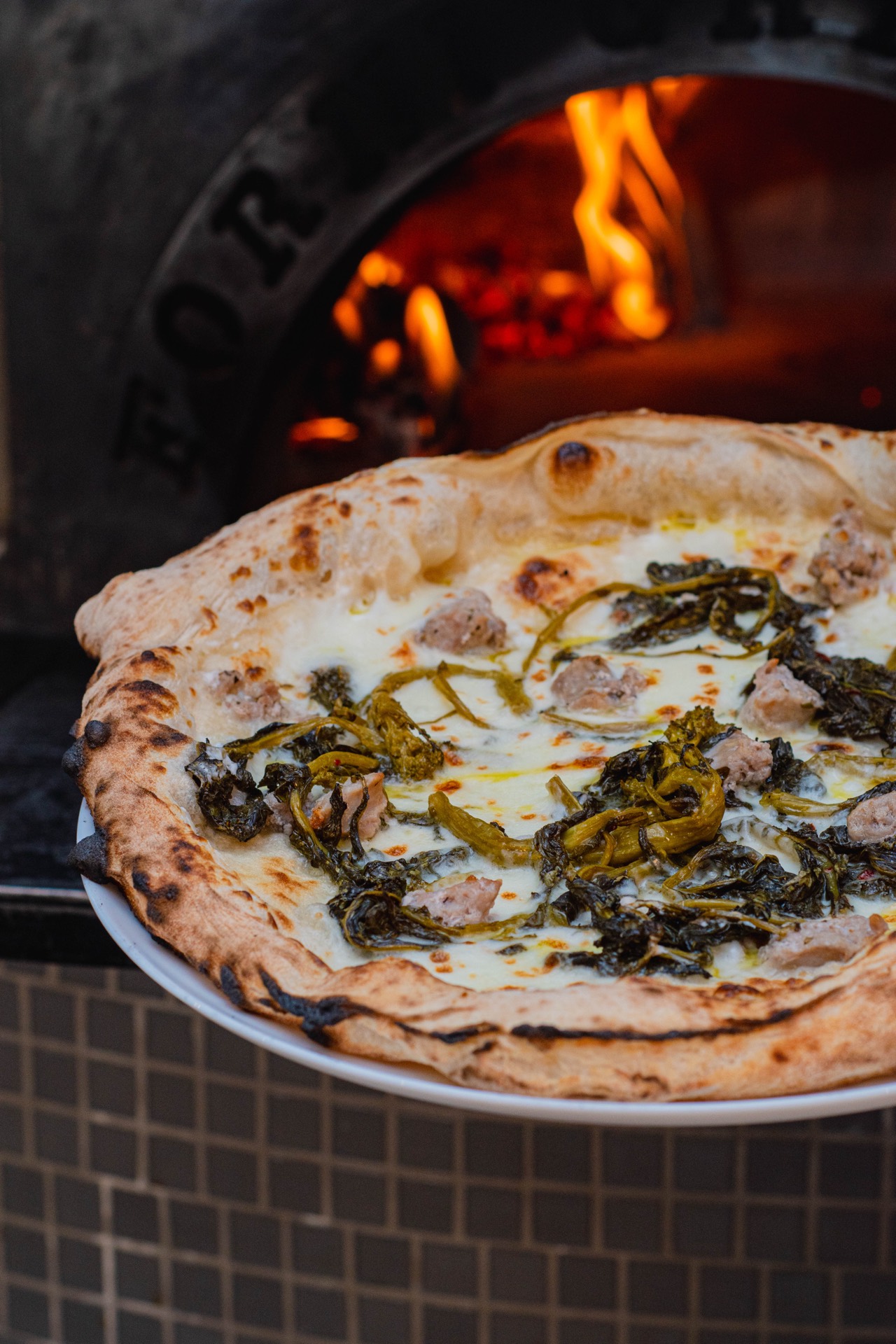
When a family or group takes the time to ask a practical question like this, they have already decided they want to eat with you, whether for wood-fired pizzas at Fame or a relaxed weekend lunch. If you simply reply ‘yes, we have a high chair’ and stop there, you force the guest to send three more messages just to get a table in the book.
Right after giving the clear yes or no on the high chair and pushchair, close the message by asking the three things the floor book needs: which day they are coming, what time they prefer, and how many adults and children will be at the table. In a single WhatsApp or Instagram exchange, the family is looked after and the right table is blocked on the floor plan.
And if you want guests to see your tables and dishes at a glance like Fame or Botequim, Cristina shoots on location; ask for a no-commitment quote for food photography.
A post from Rifugio’s monthly social media content calendar.
Floor sheet for answering family and group enquiries
Fill in this sheet with your floor manager and keep it by the booking phone so you can reply in seconds without crowding the aisles.
Restaurant name and maximum table size indoors and on the terrace:
Fact 1 — High chairs (yes / no, total number owned, and whether they must be tagged on the booking):
Fact 2 — Pushchairs/strollers (do they fit open beside specific tables, or must they fold at reception?):
Table numbers on the floor plan that safely fit a high chair or buggy clear of the pass:
Exact polite phrasing the floor manager uses to explain the setup:
Menu items or half-portions families often ask about (strictly printed menu items):
The 3 closing questions to include in the reply (exact day, seating time, and adults + children count):
Floor lead to notify whenever a booking is confirmed with a reserved high chair:
Highchair andstroller
High chair and stroller
If you want to organise your restaurant’s social channels and guest replies around real floor rules, write to us with no commitment.