An advertising photo reportage builds a specific scene with the product or offer in plain sight from the very first second. Unlike a working-day company shoot, every frame here is designed to stop the scroll on an ad and drive a booking or purchase.
One focused scene where the offer reads in a single second
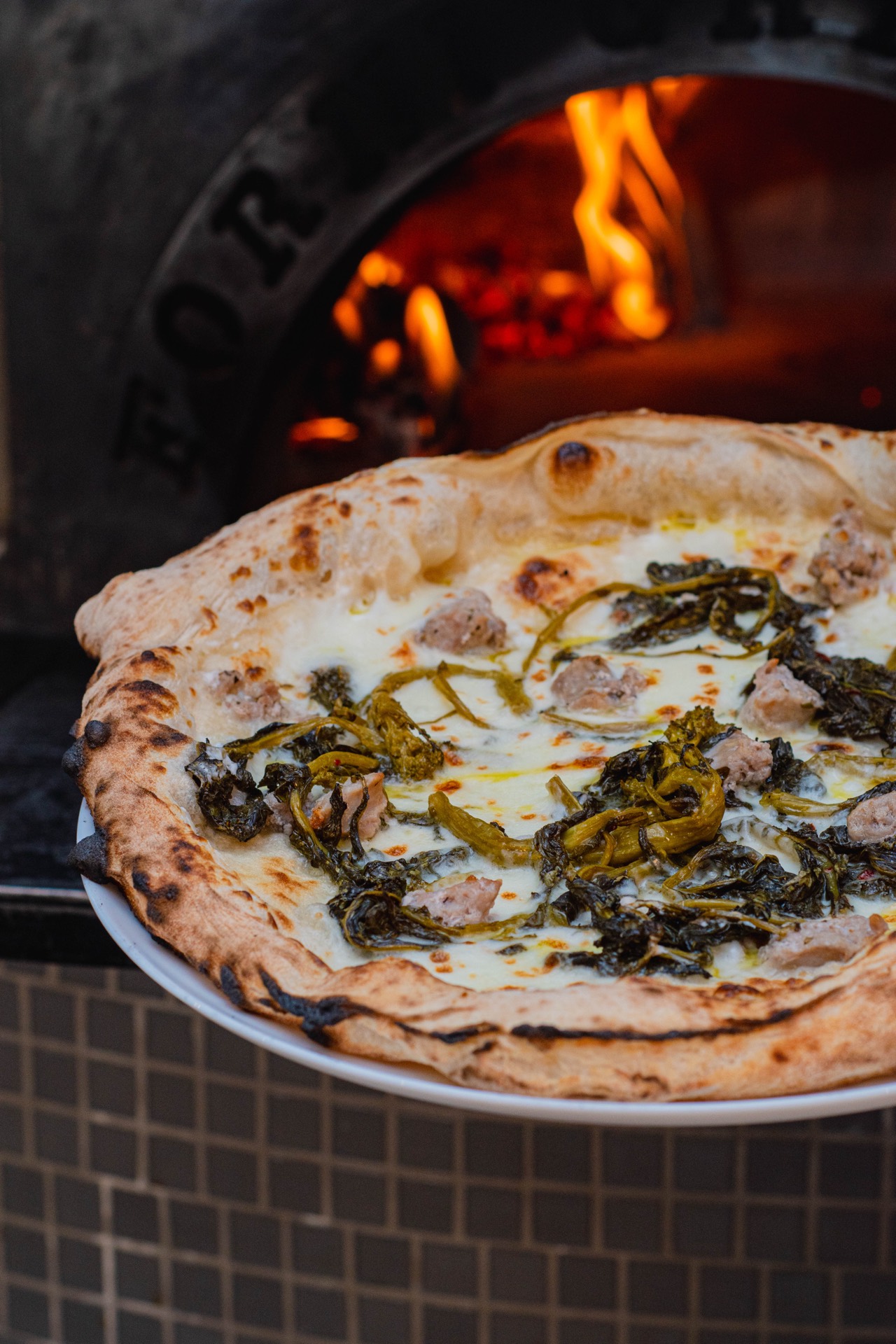
When someone scrolls past a paid ad on Instagram or Google, they will not give you ten seconds to figure out what you are selling. If the image is a cluttered wide shot showing four tables, a crowded shelf in the background, and three unrelated dishes, the eye moves straight past it. An advertising shoot focuses on one clear promise per scene: the pizza coming out of the oven at Fame, breakfast set on the table, or the exact product featured in this month’s campaign.
Before setting up a single light, the business owner and the photographer write down in one sentence the exact offer that will sit alongside the image. Rather than trying to rush through five vague concepts in a morning and leaving them all half-baked, you prep the genuine product and capture the action with someone whose hands know the craft. If looking at the photo on a phone without the caption does not immediately tell you what is on offer, you clear away the clutter and shoot the frame again.
Shot right by the oven at Fame, ready for the Google listing, website, and weekly posts.
Breathing room in the frame for copy and testing in vertical crops
A photograph can look wonderful full-screen on a laptop and fail completely the moment a designer tries to place a headline over it for a vertical ad. If the dish or the subject’s face fills the frame right to the top and bottom edges, the text covers the product and the call-to-action button clashes with the focal point. Shooting for advertising means composing with clean areas of tabletop or background where typography can sit legibly.
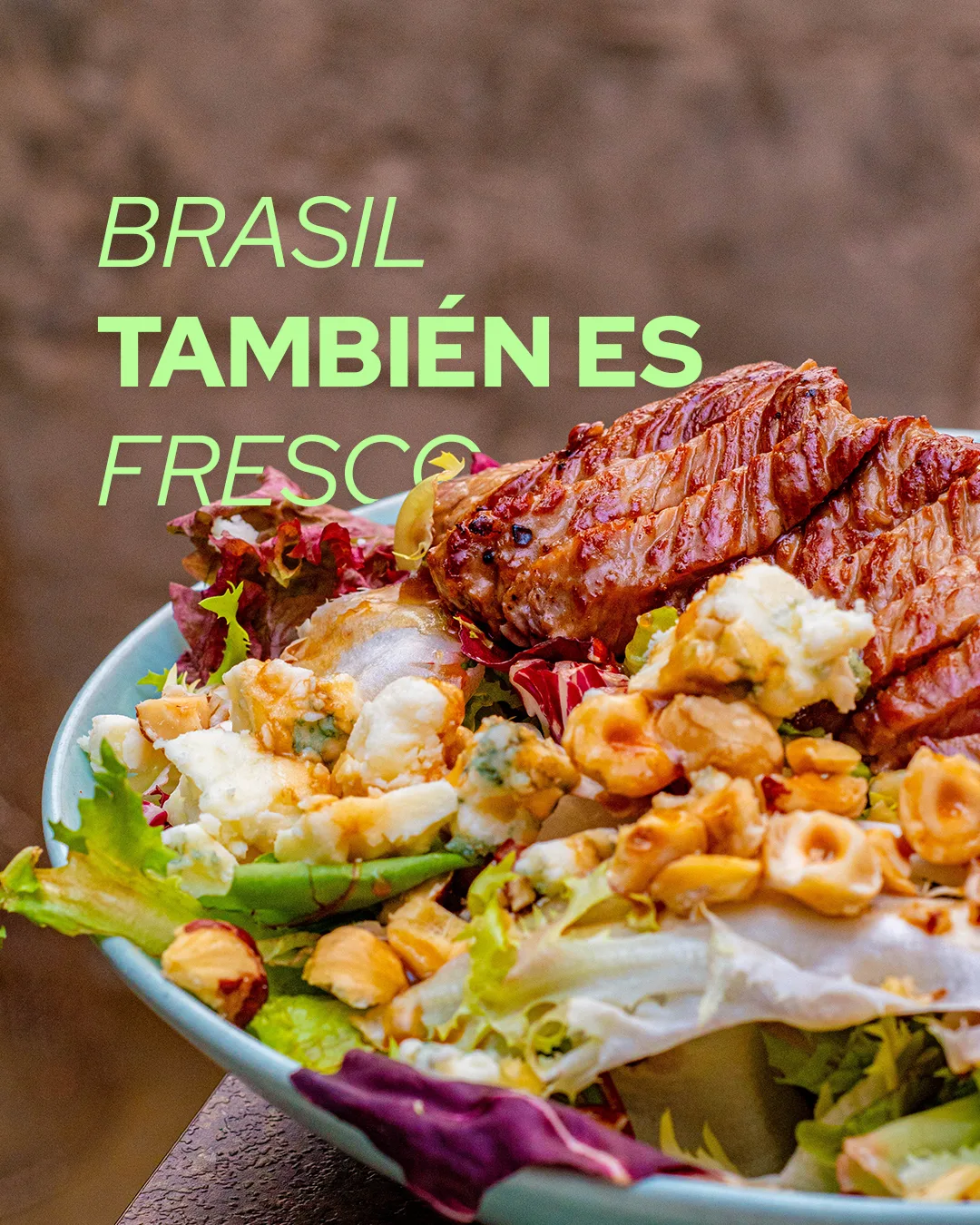
During the session, Cristina checks every setup across the three crops a modern campaign requires: full vertical for promoted Stories and Reels, the four-by-five feed ratio used in our Tropicalista carousels, and horizontal for the landing page header. Checking on site ensures no frame feels cramped or forces awkward graphic workarounds the following week.
Matching the ad visual to the landing page that receives the click
Many businesses lose half their campaign conversions because the ad shows a warm, inviting scene, yet clicking the link drops the customer onto a cold webpage showing different lighting and an unrelated product. A visitor needs to confirm in half a second that they have landed in the right place. That is why an advertising shoot always delivers a matched pair: the tight shot that stops the thumb on social media, and a wider cut from the exact same setup to head up the booking page.
Every file leaves the studio labelled by campaign and placement so the person setting up the ads never has to guess between twenty rough takes. With a product genuinely in stock today and the WhatsApp button right beside the image, the photography does its job: turning attention into a real visit.
A 4:5 carousel cover for Tropicalista designed to read at a glance on a phone screen.
One-page brief for an advertising photo shoot
Fill in these eight points before booking the shoot day so every photograph comes out ready to go live in your campaign.
Exact offer or dish being advertised (in a single sentence):
Where the scene takes place (inside the real venue if driving visits / studio set for product):
Real product units checked and prepped for the camera:
Person performing the action in frame (genuine skill and signed consent):
Clean area in the frame reserved for headline text (top / bottom / side):
Required aspect ratios (9:16 vertical, 4:5 feed, 16:9 landing page hero):
Landing page URL or WhatsApp chat where the click lands:
Campaign launch date and person responsible for uploading the ads:
Thead hasonebeat.
An advertising photo reportage
If you need photography built specifically for your ad campaigns in Madrid, message us on WhatsApp for a quote with no commitment.